In a nutshell
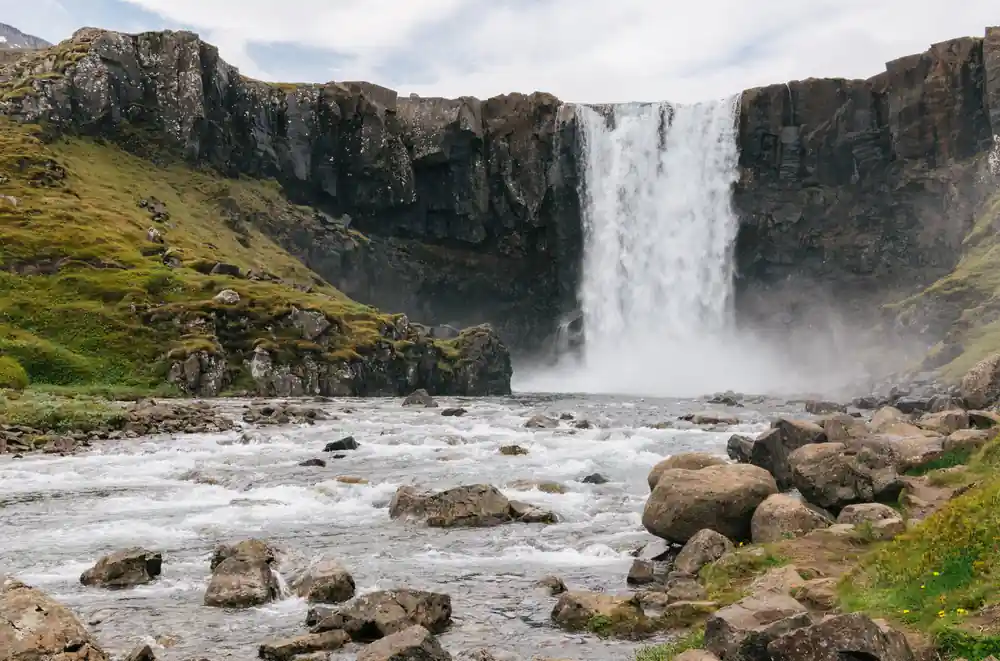
- Gufufoss stands approximately 88 feet (27 meters) tall on the Fjarðará river above Seyðisfjörður.[1]
- From the car park the walk is no more than 150 meters, completely flat, and takes a minute or two.[2]
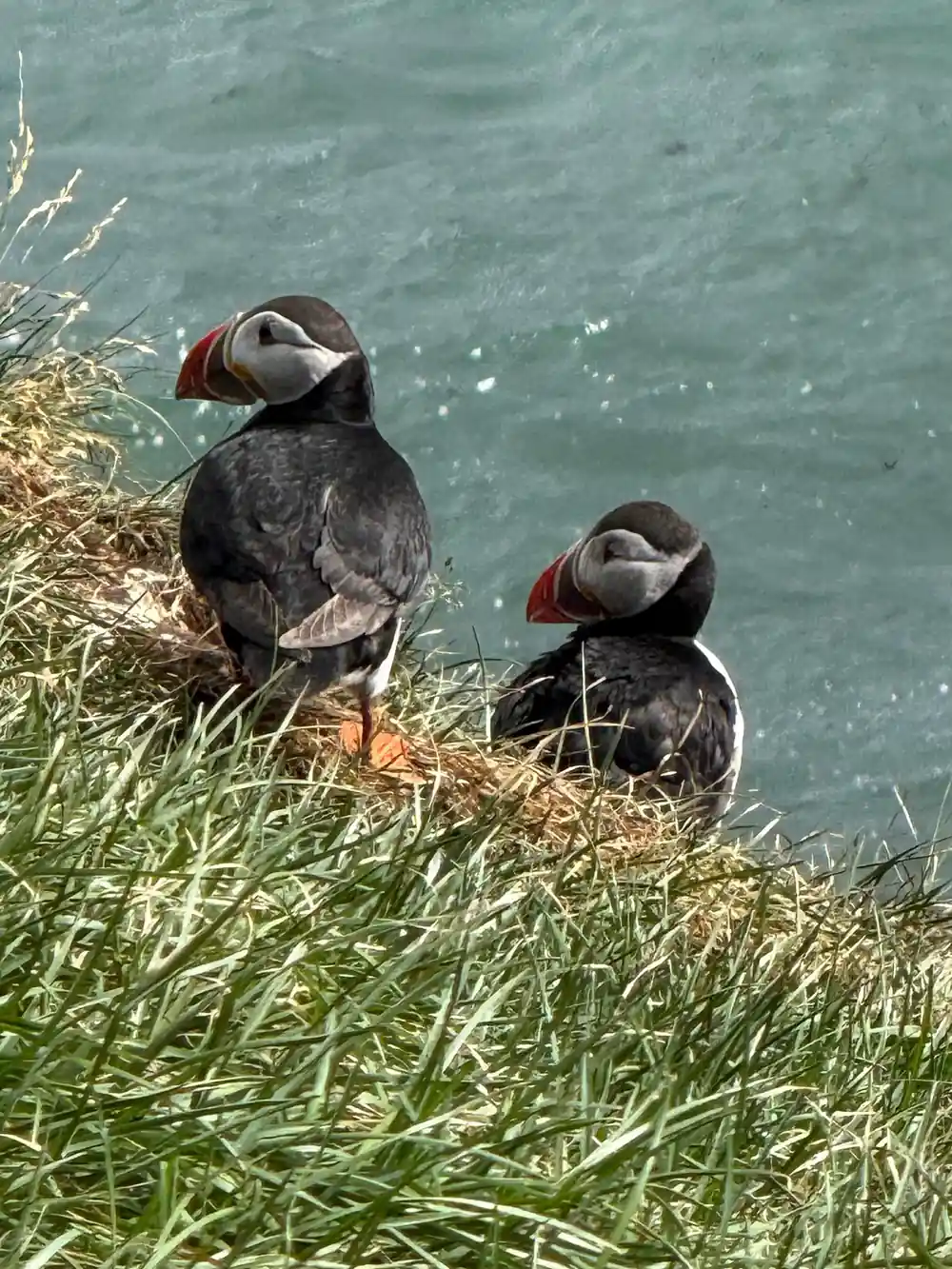
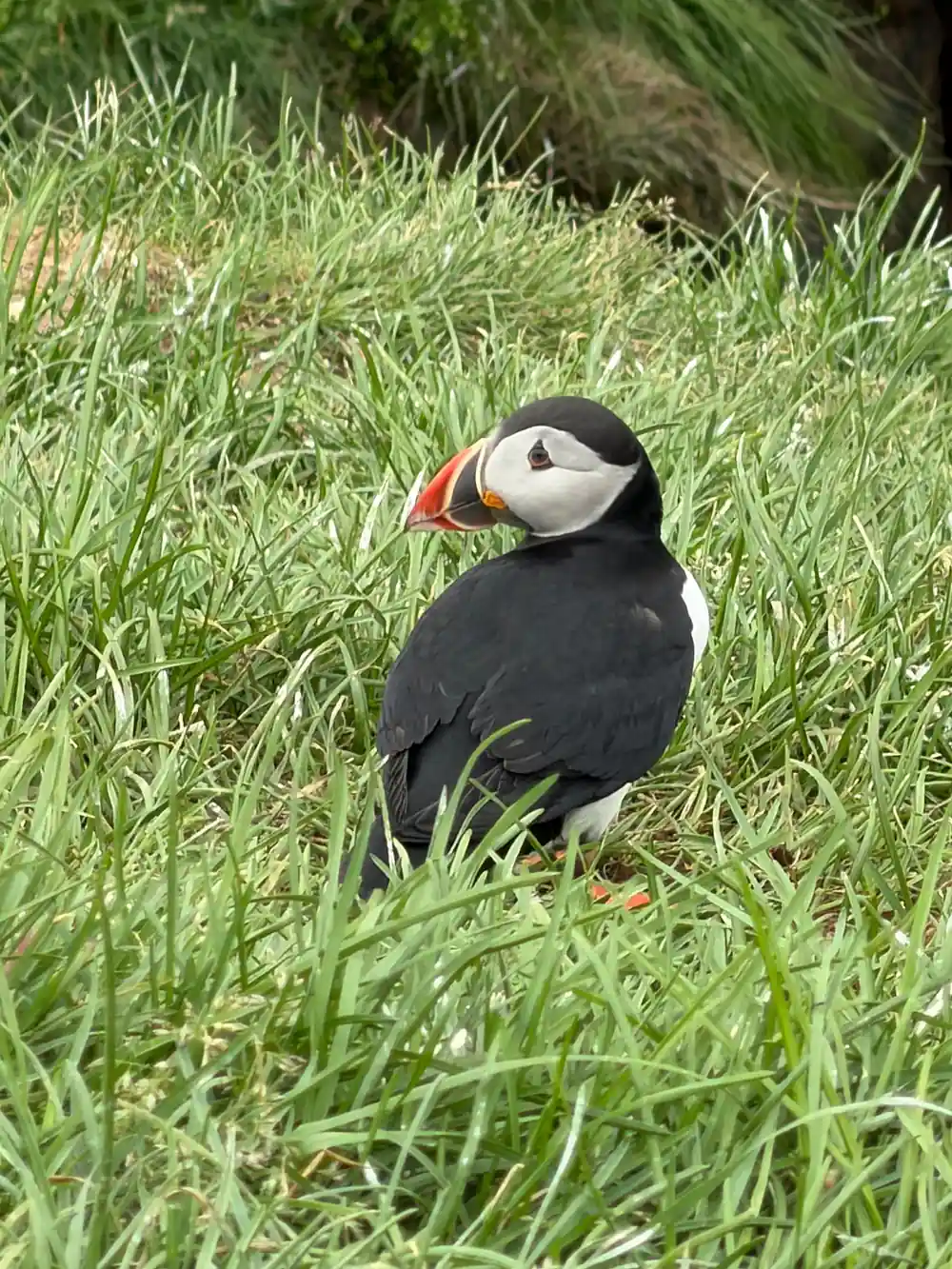
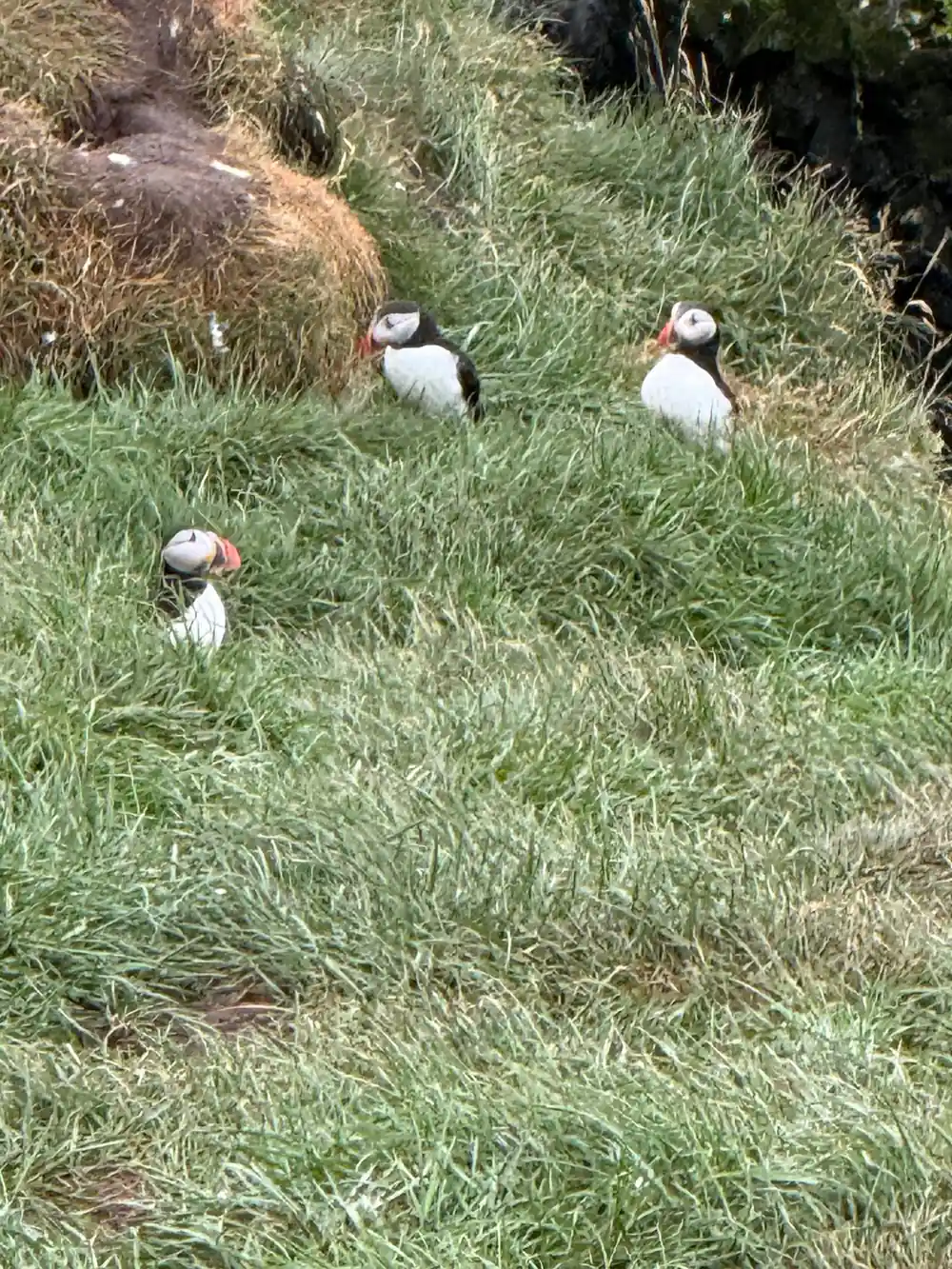
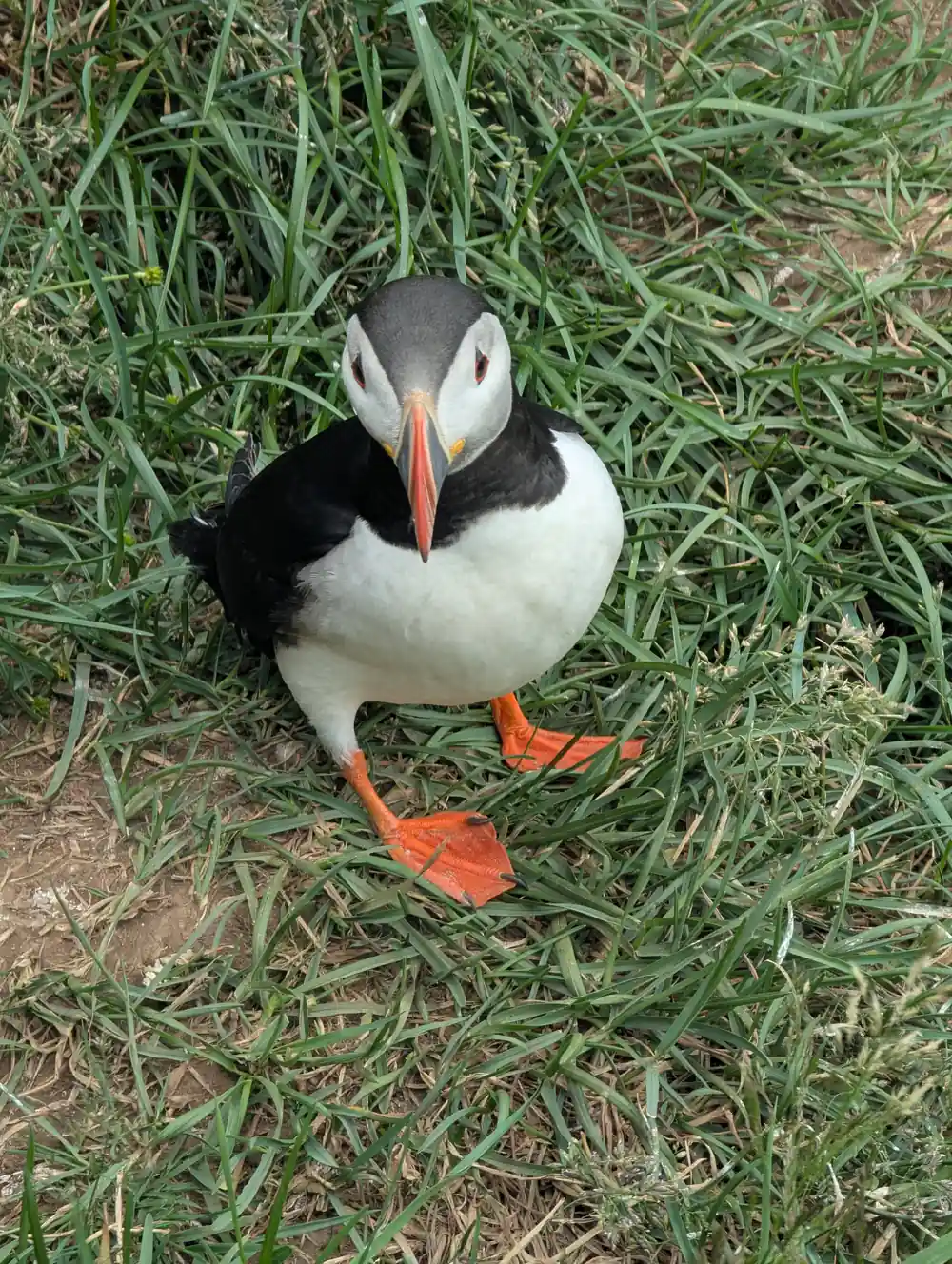
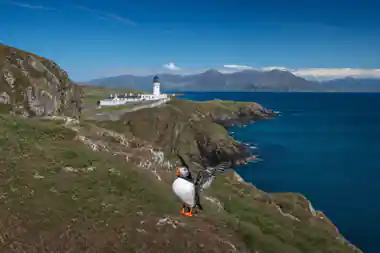
- Puffins nest at Hafnarhólmi from the middle of April to the beginning of August, and the tour stops there.[3][4]
- The Puffin & Gufufoss Waterfall Tour runs 5 hours from Seydisfjordur port with a live English guide.[4]
- July in Seydisfjordur averages a high of 51°F (11°C) and a low of 43°F (6°C), mild rather than warm.[5]
- Top choice Puffin & Gufufoss Tour from US$229 Duration5 hours[4]Rating4.63 from 270 reviews[4]GuideLive tour guide: English[4]CancellationCancel up to 24 hours ahead[4] Check availability
- Vök Baths Geothermal Entry from US$61 Duration1.5 hours[6]Rating4.69 from 386 reviews[6]GuideHost or greeter: English, Icelandic[6]CancellationCancel up to 24 hours ahead[6] See this tour
- Stuðlagil Canyon Excursion from US$229 Duration5 hours[7]Rating4.46 from 336 reviews[7]GuideLive tour guide: English[7]CancellationCancel up to 24 hours ahead[7] See this tour
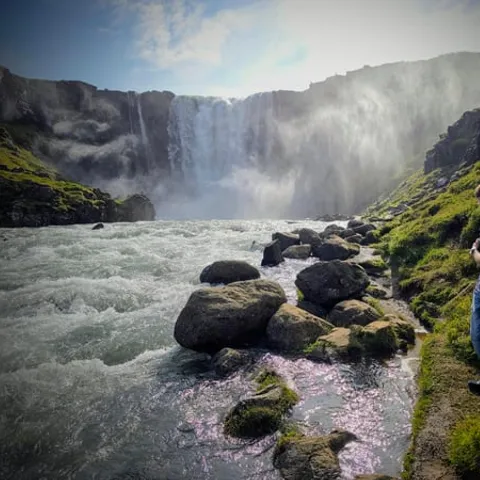
Standing at approximately 88 feet (27 meters) tall, Gufufoss is one of the striking waterfalls along the Fjarðará River , a waterway known for its excellent fishing spots.
Is the Gufufoss stop worth your day?
Worth knowing first
On the day
- The walk from the car park is completely flat and takes a minute or two.[2]
- Coach stops include Hafnarholmi, Lindarbakki and Gufu Waterfall.[4]
- Puffins nest at Hafnarhólmi from the middle of April to the beginning of August.[3]
- Pack a waterproof shell, spray and drizzle soak clothing fast.
Where Gufufoss sits in East Iceland
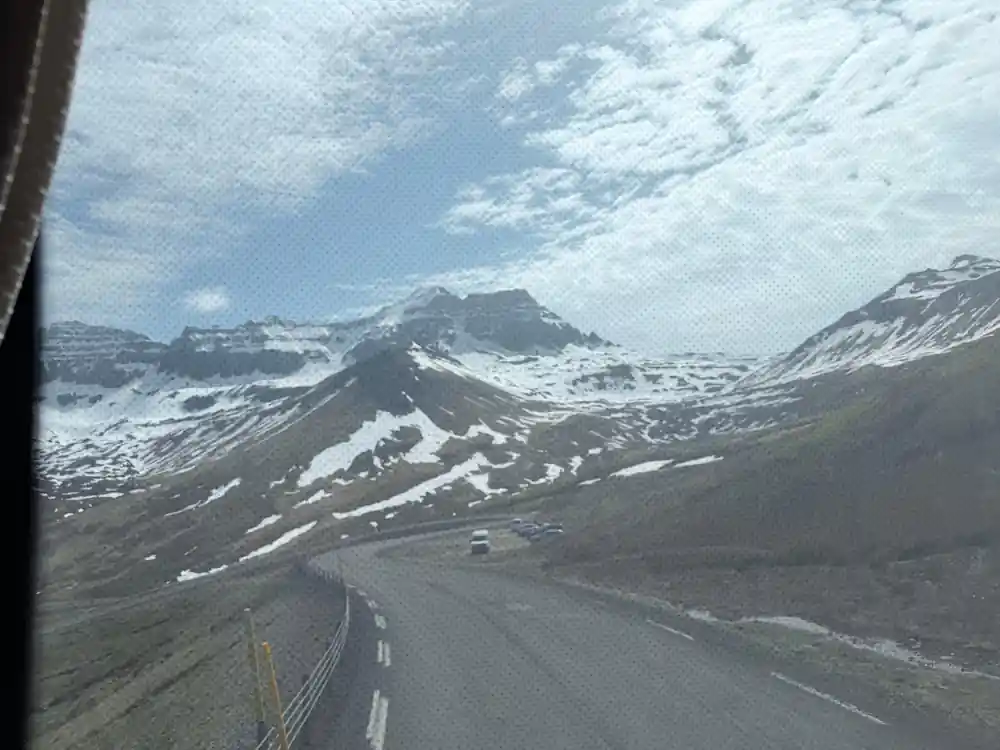
Gufufoss is the waterfall that hangs beside the road on the way down to Seyðisfjörður, on the Fjarðará river in East Iceland. It stands approximately 88 feet (27 meters) tall.[1] Most people reach it by car over the mountain pass from Egilsstaðir, climbing onto bare moorland before the road drops toward the fjord. Others arrive by sea: the Norrona ferry, run by Smyril Line, docks in the small town of Seydisfjordur.[8] Either way the fall arrives suddenly. You round a bend, the valley opens, and there it is beside the tarmac.
The valley that holds the fall is narrow and green, with rock that stays dark even in sunlight and moss that seems to glow after rain. Above the road the land opens into bare moorland; below it, the fjord and the town. The fall sits right beside the road, and the view does not have to be earned. You can pull in, walk for a minute, look up at the water and be back in the car without turning the day upside down. That short and easy quality is what makes the stop simple to fold into a busy schedule.
The approach path and what is underfoot
This is the part people worry about unnecessarily. The walk from the Gufufoss car park to the waterfall is no more than 150 meters long and takes a minute or two, and it is completely flat.[2] Flat is the honest word: level ground from start to finish, with nothing to climb and nothing to scramble over. If the phrase gufufoss hike is what makes you hesitate, the reality is far smaller than the word suggests. You are looking at a couple of minutes of easy walking rather than a trail, and it suits anyone who can manage a short stroll on level ground.
Good shoes are still worth having. The approach is short and flat, but it is outdoors in a wet corner of the country, and the ground close to the fall stays damp underfoot for much of the year.[2] Trainers with grip suit most people, and nothing here calls for boots, poles or a long build-up. That is what makes the gufufoss parking stop so easy to slot into a driving day, a ferry arrival or a cruise call. The effort is over almost as soon as it starts, and the reward is a tall waterfall right in front of you.
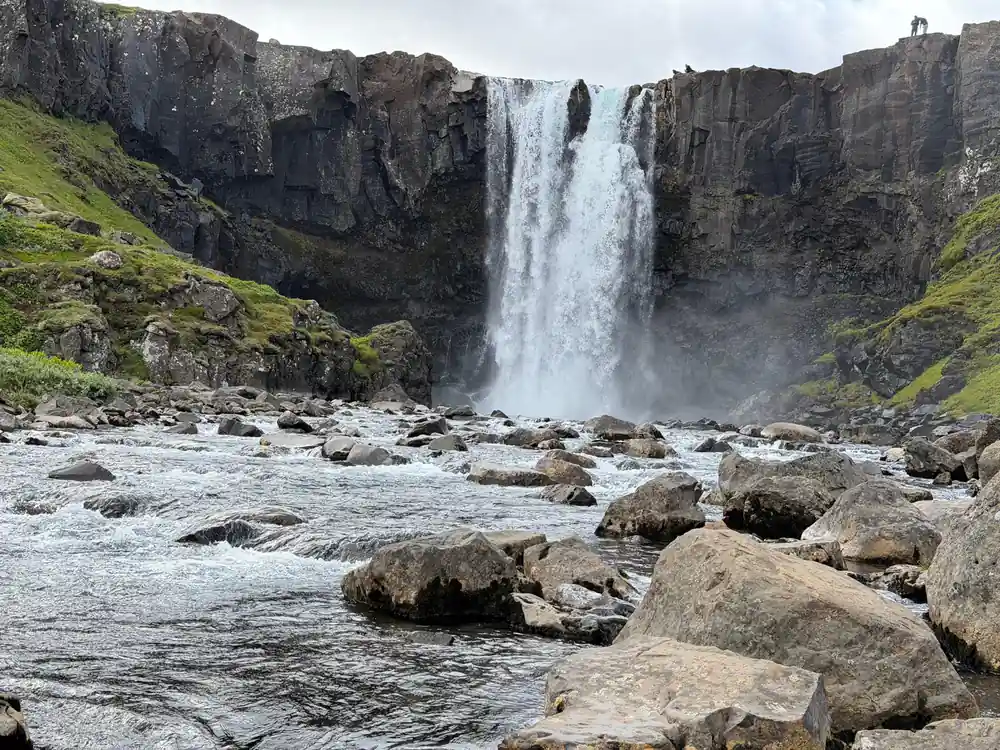
Gufufoss drops beside the road on the way down to Seyðisfjörður.
Spray, mist and keeping your camera dry
A fall of this height throws a great deal of fine water into the air.[1] At Gufufoss the water lands close to where you stand, so mist reaches the viewing spot on most days and drifts across a lens the moment you stop to shoot. Nothing about that is dangerous, but it is persistent, and a camera that was dry at the car park can be spotted within a minute. Plan for wet gear rather than hoping for a gap in the wind.
Keep a microfibre cloth in a pocket rather than in the bag, and wipe the front element before each shot instead of after. A rain cover, or a plastic bag with a hole cut for the lens, helps when spray is being pushed sideways. Phones do better in a dry pocket than on a lanyard. If you change lenses, turn your back to the fall first and keep the camera body pointing down. One drop on a sensor is the kind of souvenir nobody wants to bring home.
A simple zip bag for spare batteries and cards costs almost nothing and saves a lot of regret. If you are shooting with a phone, a wrist strap is worth more than a case here, because the ground near the fall can be slick and hands get cold quickly. Wipe the lens, shoot, put the camera away, and enjoy the fall with your eyes for a minute before moving on.
Best angles and light for photography
The classic frame is taken from the roadside, where the water drops in front of you against dark rock, with green valley filling the space either side. Crouch lower and the fall looks longer, and more sky comes into the picture. The walk from the car park takes a minute or two.[2] Try several positions rather than settling for the first frame: move left and right along the path, and watch how the shape of the rock changes what you can see.
Overcast weather is a gift here. Grey light is soft, mist reads as depth rather than noise, and you avoid the blown highlights that bright sun puts on moving water. A slow shutter turns the fall into silk; a fast one freezes individual threads of water and the spray around them. Try both while you are standing there, because the difference is far easier to see on the back of the camera than to imagine. A polarising filter cuts the sheen on wet rock and helps the moss colour come through.
Early and late hours usually give the softest light and the quietest path, and low sun catches the drifting spray from the side. Middle-of-the-day flat light is easier to expose but less interesting. Whichever hour you choose, keep an eye on the road behind you, because this is a working route as much as a viewpoint.
from US$229
The Puffin & Gufufoss Waterfall Tour from Seydisfjordur Port runs 5 hours with a live English tour guide.[4]
Roadside viewing, coaches and accessibility
You do not need a ticket, a trailhead or a guided walk to see Gufufoss. It is a roadside fall, and the flat approach from the car park keeps it within reach of families, older travellers and anyone who would rather not walk far.[2] Coaches stop here as well. The Puffin & Gufufoss Waterfall Tour from Seydisfjordur Port travels by bus or coach with stops that include the Northeastern Region, Hafnarholmi, Lindarbakki and Gufu Waterfall.[4] The visit is built into the route rather than added at the end.
If you are arriving by cruise ship or on the ferry, a coach tour takes the route-finding out of the day and leaves you free to watch the scenery. Lindarbakki, one of the stops, is a colorful turf house in the village of Bakkagerði.[9] Between stops the Eastfjords pass by at window height, with steep slopes on one side, water on the other, and small farms tucked where the land flattens out. Drivers get the same views with more freedom to linger, and the stop itself takes very little time.
For anyone with limited mobility, the practical points are the short distance and the level surface, and a fold-up stool or a stick is unlikely to be needed on the path itself. The bigger consideration is the weather: cold hands and wet ground matter more here than gradient does. Warm gloves and a spare layer make the difference between a quick photo stop and a comfortable one.
Gufufoss through the seasons
Summer is the easy season. In July, a summer month in Seydisfjordur, the average daily temperature ranges from a high of 51°F (11°C) to a low of 43°F (6°C).[5] That is mild rather than warm, and the weather can turn quickly, so layers, a waterproof shell and shoes that can cope with wet grass are the sensible packing. Expect green slopes, low cloud and soft, changeable light.
Puffins are the seasonal draw nearby, and their window is precise. They nest at Hafnarhólmi in Borgarfjörður Eystri every year from the middle of April to the beginning of August.[3] Outside those months the colony is empty. Winter visits are a different kind of day: fewer people, low blue light, and a road over the pass that deserves respect. Check conditions before setting out, allow daylight for the drive, and keep the stop short rather than stretching it into a cold afternoon.
Whichever season you pick, the fall is the constant. It is fed by the river above it, and the sound carries across the car park even when cloud hides the upper valley. Bring more layers than the temperature suggests, keep a spare pair of socks in the car, and treat the weather as part of the experience rather than an obstacle.
Gufufoss and Gullfoss: clearing up the name
The two names look similar on a page and sound similar out loud, and travellers mix them up all the time. They are different waterfalls in different parts of Iceland. Gufufoss is the one in the east, on the Fjarðará river above Seyðisfjörður.[1] Gullfoss is a separate fall on the Golden Circle in the south west of the country, and it belongs to a completely different day out.
On the ground, the confusion rarely lasts. Gufufoss is a roadside fall in a quiet Eastfjord valley, with a walk from the car park of no more than 150 meters over completely flat ground.[2] Ask about it at the harbour in Seyðisfjörður and people will know which fall you mean. On a short port day that difference matters more than the spelling: this is a stop you can fold into a morning without giving up anything else you had planned.
Traveller ratings for East Iceland tours
GetYourGuide scores: the puffin and Gufufoss tour[4], Vök Baths entry[6], the Stuðlagil shore excursion[7] and the Stuðlagil reindeer tour[10].
From-prices for tours and entry around Seydisfjordur
All amounts are GetYourGuide from-prices in US dollars for the listed tours:[4][6][7][10] Check each listing for current pricing and any child tickets.
When to plan the Gufufoss stop
How to plan the stop
Sort out your transport
The Puffin & Gufufoss Waterfall Tour starts from Seydisfjordur port and runs 5 hours with a live English tour guide.[4]
Time it with the puffins
Puffins nest at Hafnarhólmi in Borgarfjörður Eystri from the middle of April to the beginning of August each year.[3]
Pack for wet air
The walk from the car park is no more than 150 meters and completely flat, but spray and mist soak gear fast.[2]
Look beyond the waterfall
The route also calls at Lindarbakki, a colorful turf house in the village of Bakkagerði.[4][9]
Consider arriving by ferry
The Norrona ferry, run by Smyril Line, docks in the small town of Seydisfjordur.[8]
Make the Gufufoss stop part of your East Iceland day
from US$230Reserve now & pay later