In a nutshell
- Puffins nest at Hafnarholmi in Borgarfjordur Eystri every year from the middle of April to the beginning of August.[1]
- In July, the average day in Seydisfjordur runs from a high of 51°F (11°C) to a low of 43°F (6°C).[2]
- The walk from the Gufufoss car park to the waterfall is no more than 150 meters and takes a minute or two on flat ground.[3]
- The Puffin & Gufufoss Waterfall Tour from Seydisfjordur Port lasts 5 hours, with start times to check for your date.[4]
- The Norrona ferry, run by Smyril Line, is the ferry that docks in the small town of Seydisfjordur.[5]
- Top choice Puffin & Gufufoss Tour from US$229 Duration5 hours[4]GuideLive tour guide: English[4]Rated4.63 from 270 reviews[4]CancellationFree cancellation up to 24 hours[4] Check availability
- Studlagil Canyon Excursion from US$229 Duration5 hours[6]GuideLive tour guide: English[6]Rated4.46 from 336 reviews[6]CancellationFree cancellation up to 24 hours[6] See this tour
- Vok Baths Entry from US$61 Duration1.5 hours[7]GuideHost or greeter: English, Icelandic[7]Rated4.69 from 386 reviews[7]CancellationFree cancellation up to 24 hours[7] See this tour
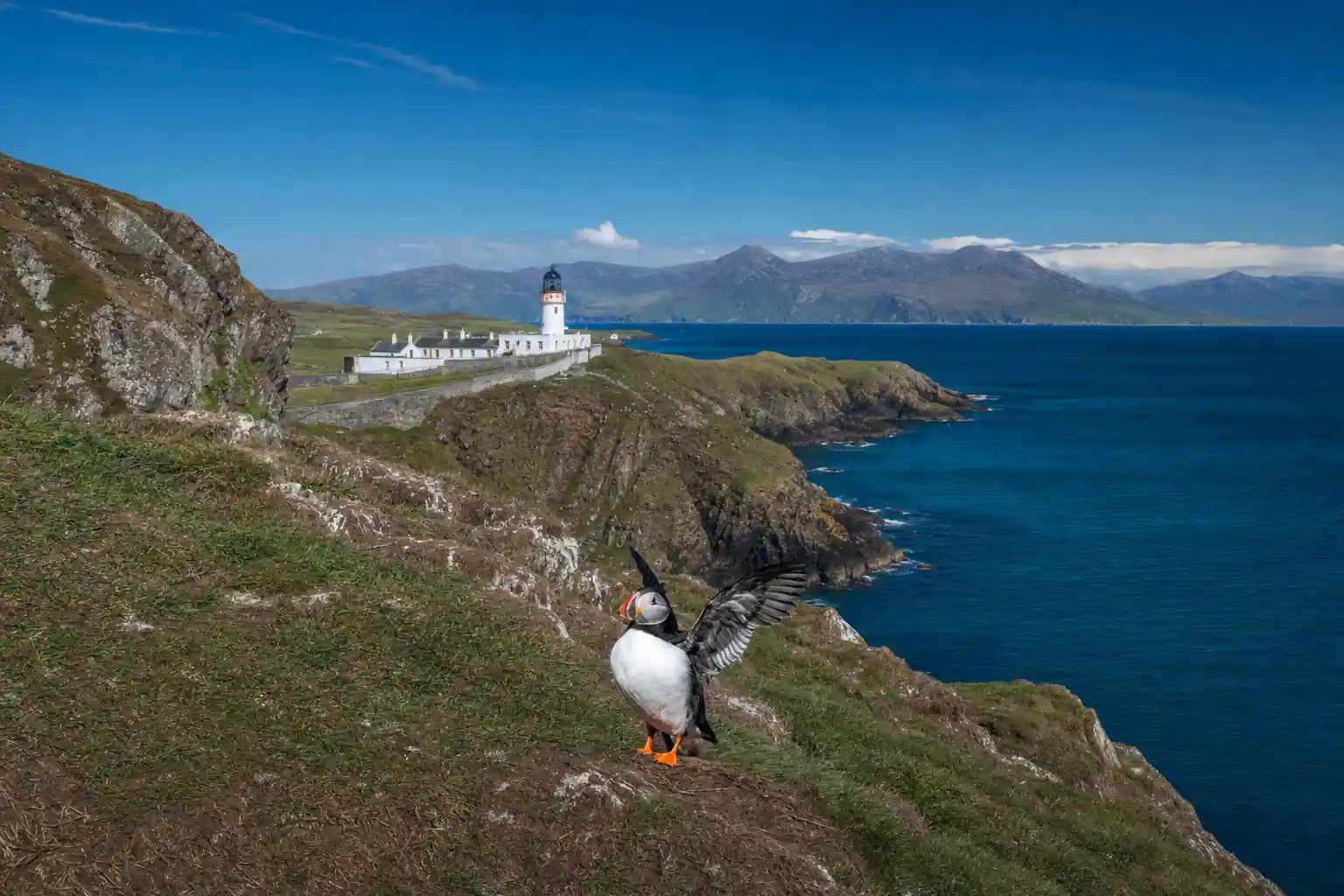
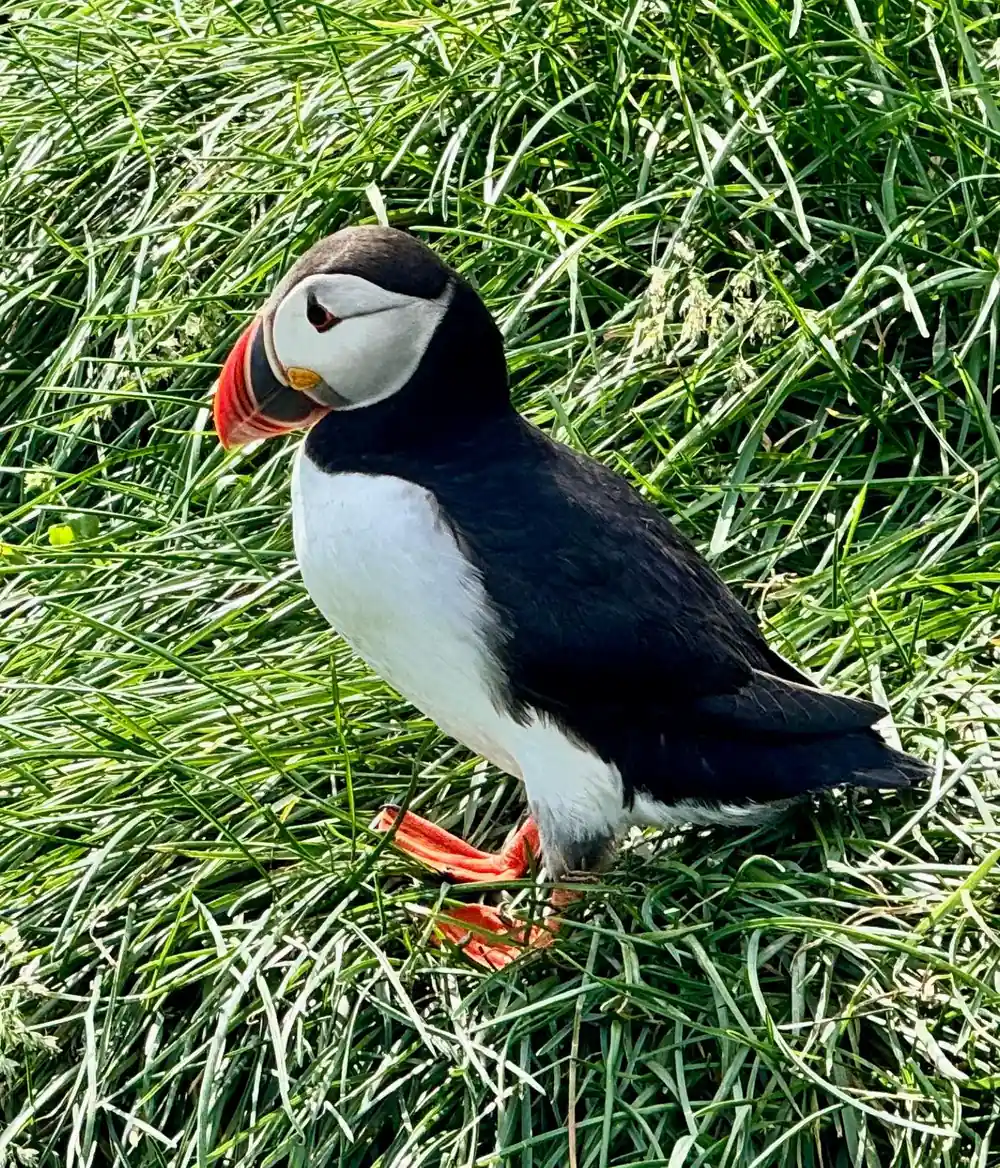
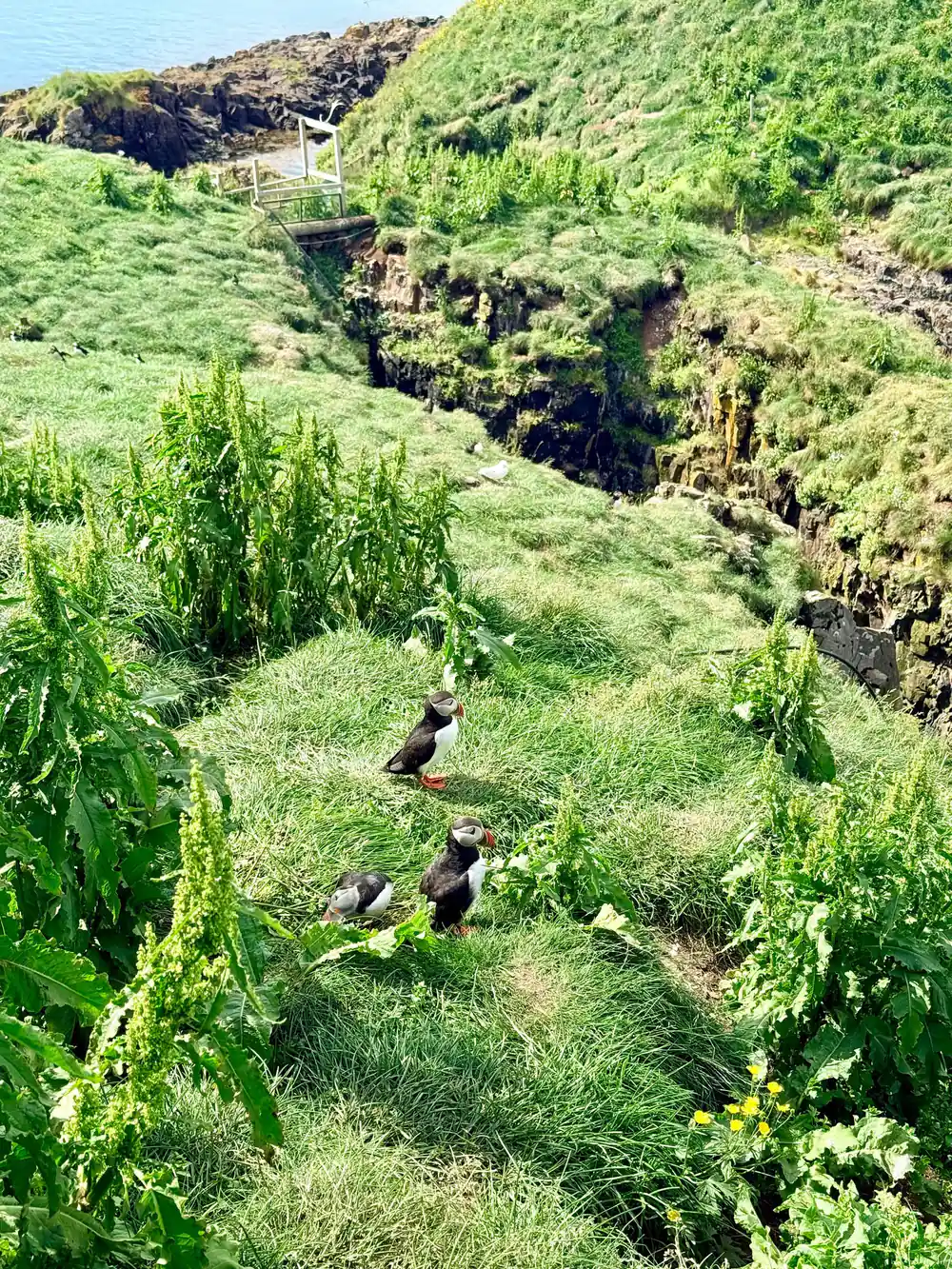
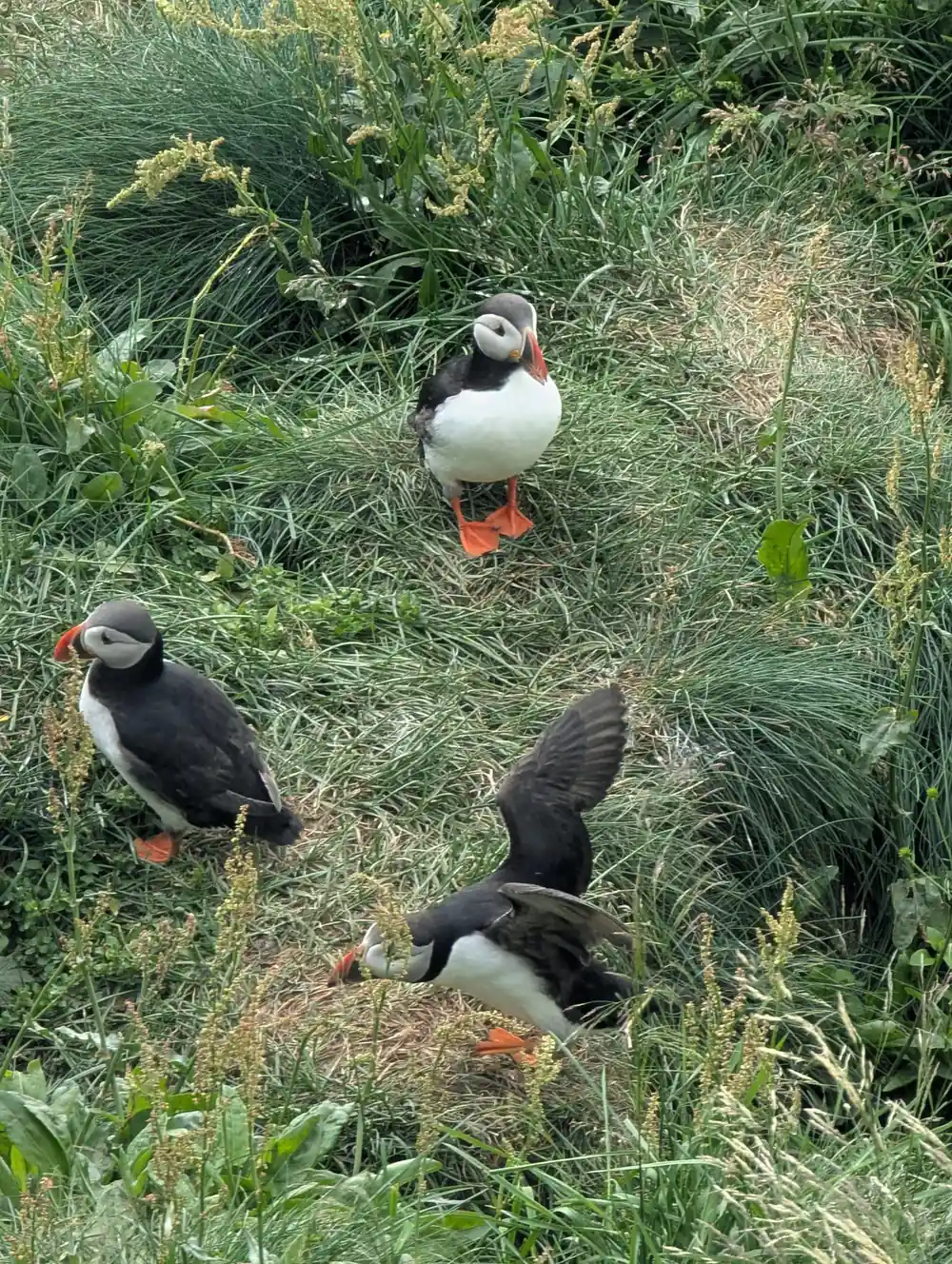
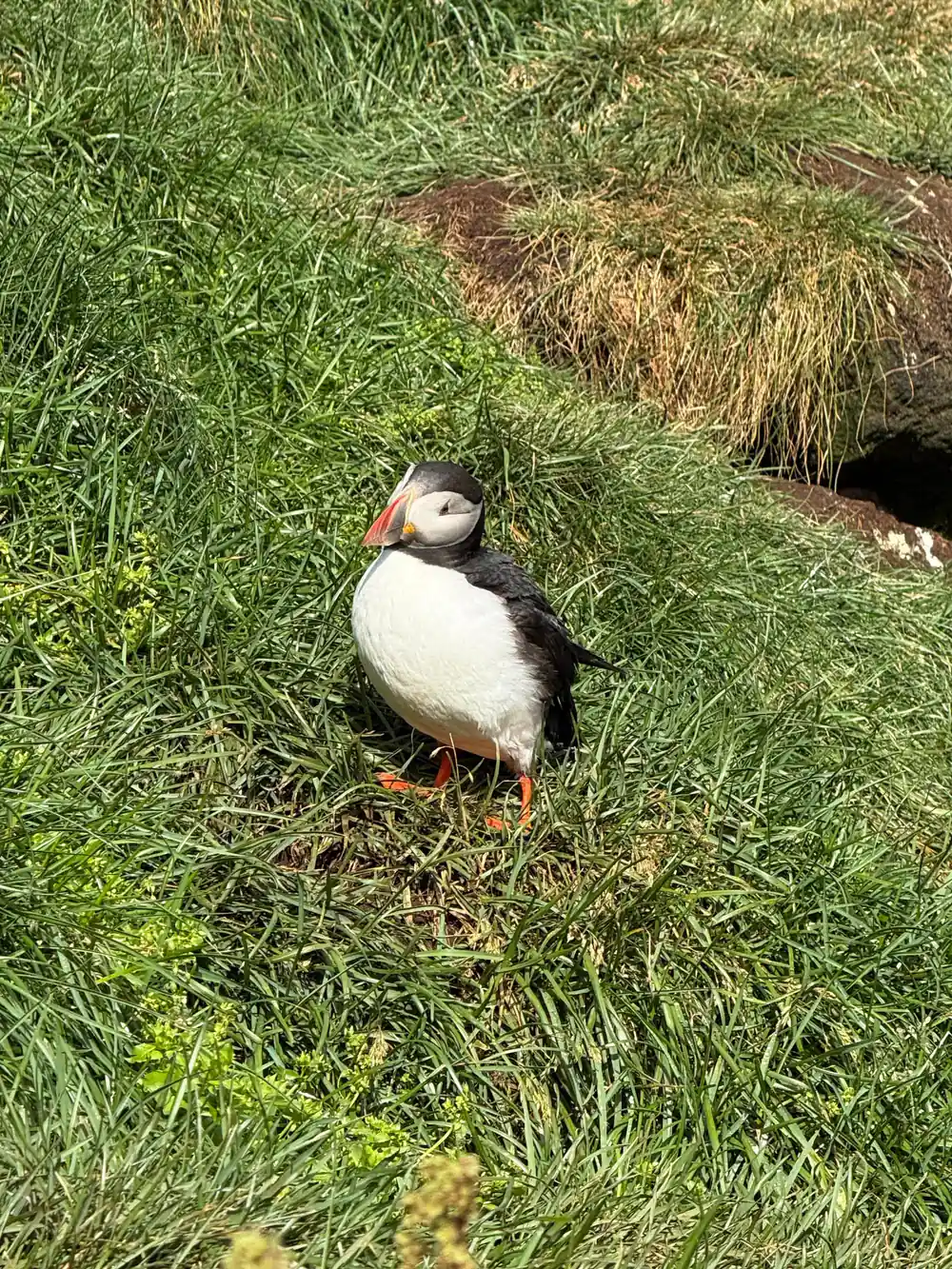
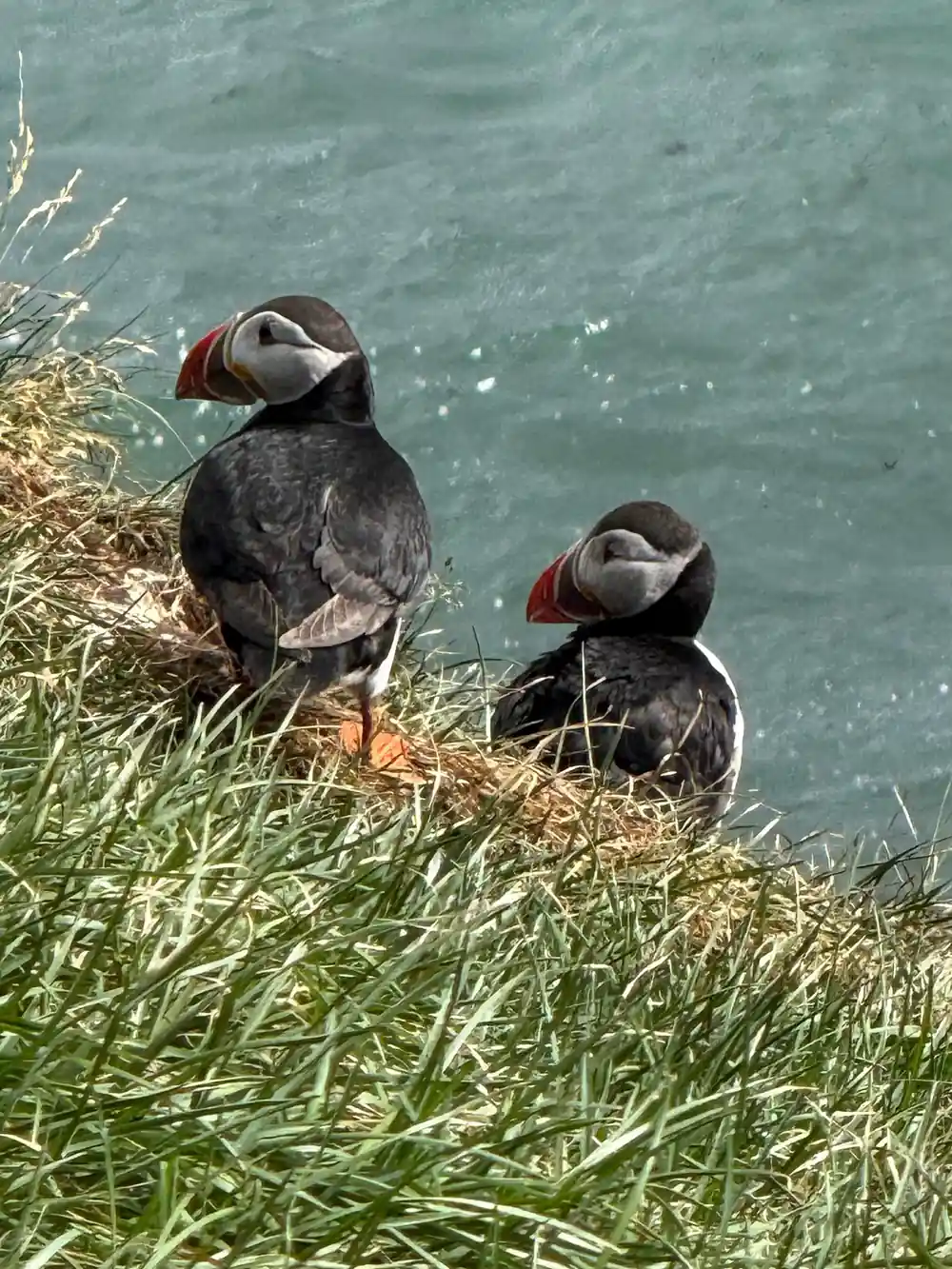
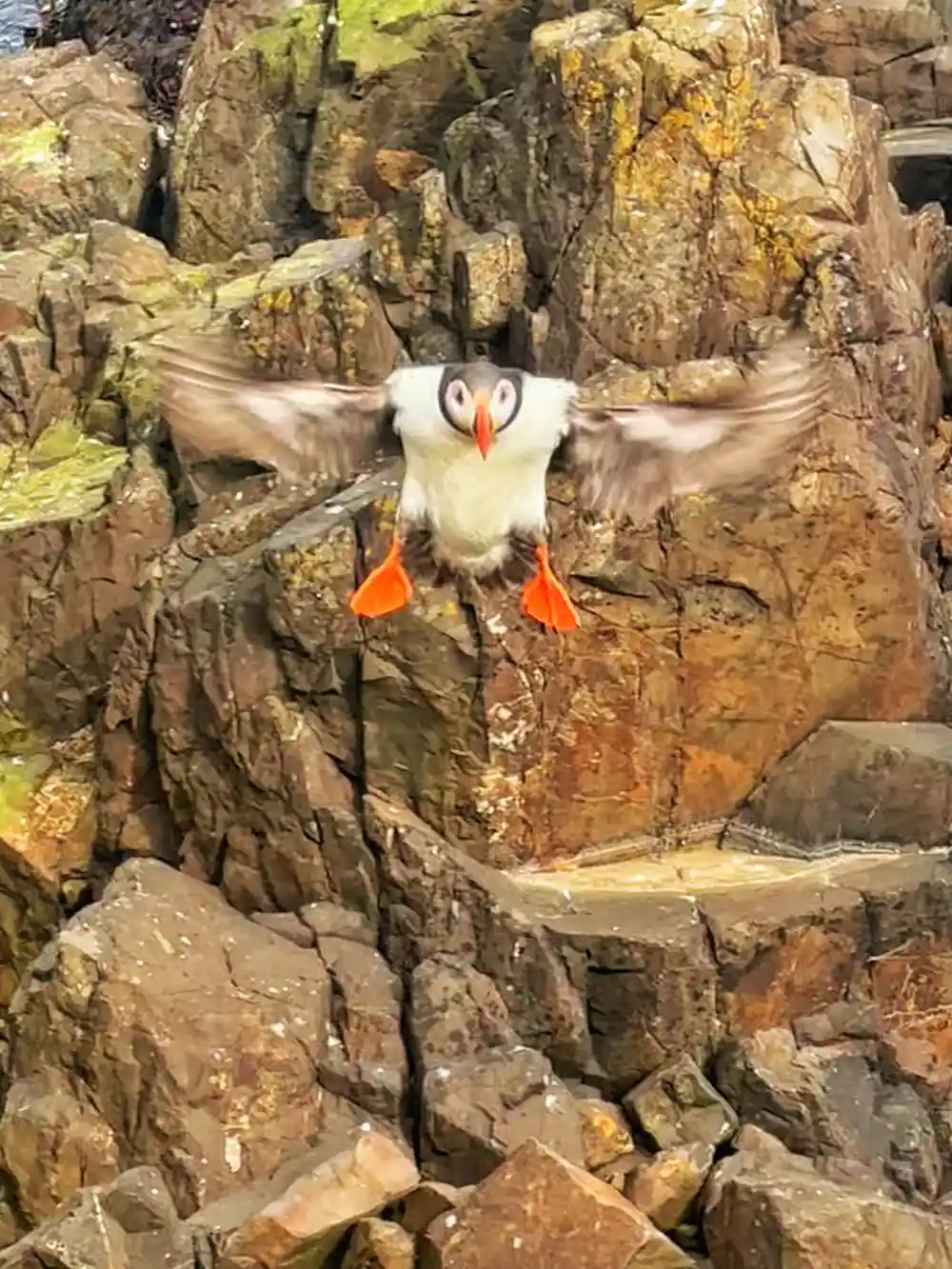
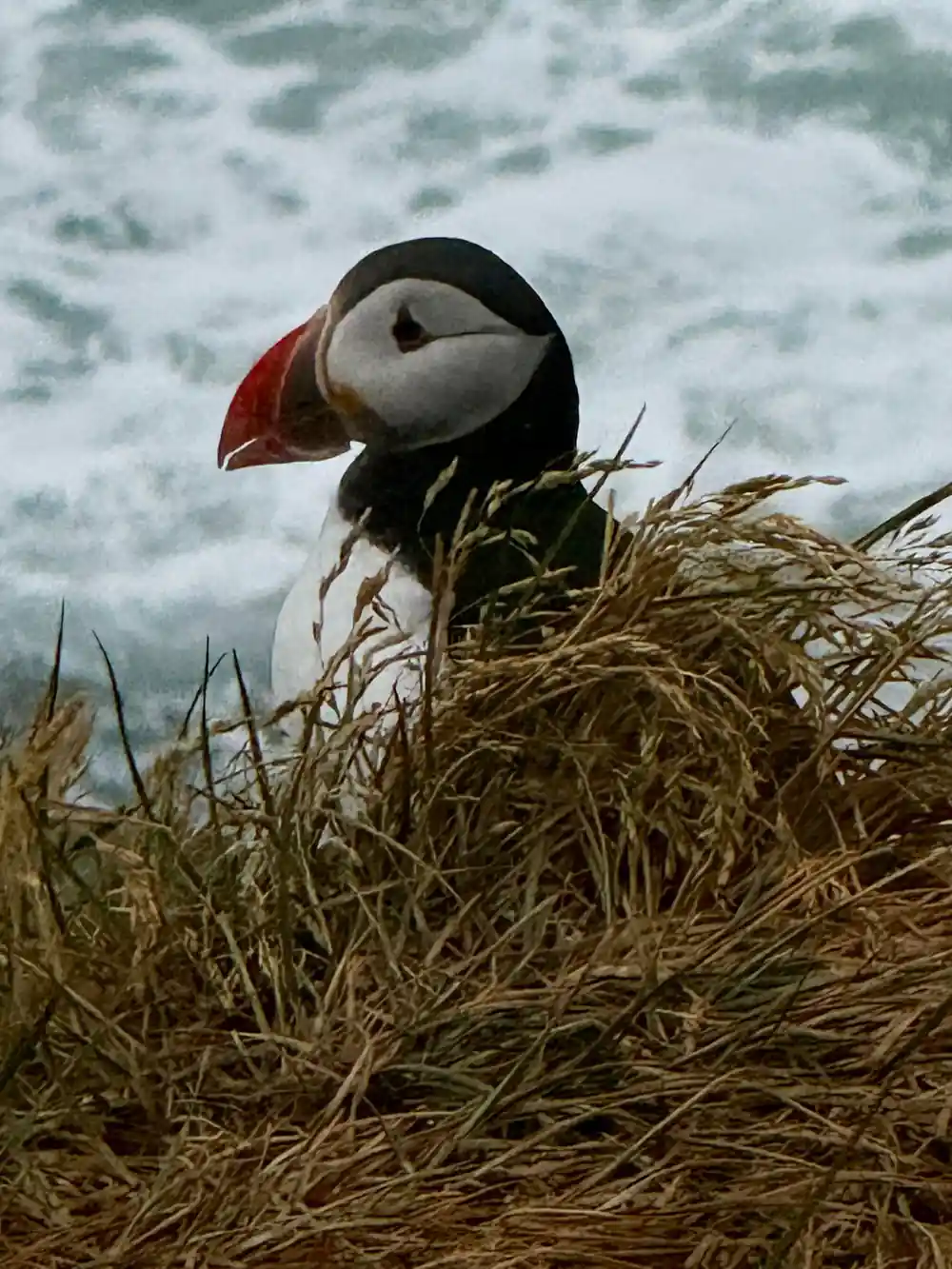
Hafnarhólmi is easily the most accessible Atlantic Puffin colony in Iceland where they nest every year from middle of April to beginning of August.
Best time for the puffin and Gufufoss tour
Worth knowing first
On the day
- Midsummer evenings stay light, so a late return still feels like daytime
- July averages a high of 51°F (11°C) and a low of 43°F (6°C)[2]
- The waterfall walk is flat and no more than 150 meters from the car park[3]
- The tour stops include Hafnarholmi, Lindarbakki and Gufu Waterfall[4]
Puffin Season at Hafnarholmi
The colony most people come north for sits at Hafnarholmi, a small harbour in Borgarfjordur Eystri, and the birds nest there every year from the middle of April to the beginning of August.[1] That window is the honest answer to the question of when puffins leave Iceland. Once nesting closes, the birds head back out to sea and the cliffs go quiet. Through the season they wheel in tight, fast circuits above the water and around the harbour walls, and the grass above the rock is full of burrows.
The port tour calls at Hafnarholmi as one of its stops, and it also calls at Lindarbakki, a colorful turf house in the village of Bakkagerdi, on the way.[4][8] The drive north from Seydisfjordur crosses open country before the coast opens out, and the weather on the headland shapes how long you want to stand outside. A windproof layer is worth more than an umbrella here, and binoculars turn a good view into a great one.
Midnight Sun and Extended Daylight
East Iceland sits close to the Arctic Circle, and around midsummer the nights never go fully dark. That changes how a shore day feels. You can walk the harbour at Hafnarholmi late in the evening and still read the signs, and photographers get a long, soft light that lasts for hours rather than a short burst of gold before the sun drops.
The light is a gift if you have travelled a long way to get here, but it also plays tricks. A bright sky that feels like the middle of the afternoon may not match your watch, so keep an eye on the time if your ship or ferry has a fixed departure. Anyone staying overnight in the fjord can use the extra daylight to walk into town after dinner and see Rainbow Street and the Blue Church at the end of it.[9]
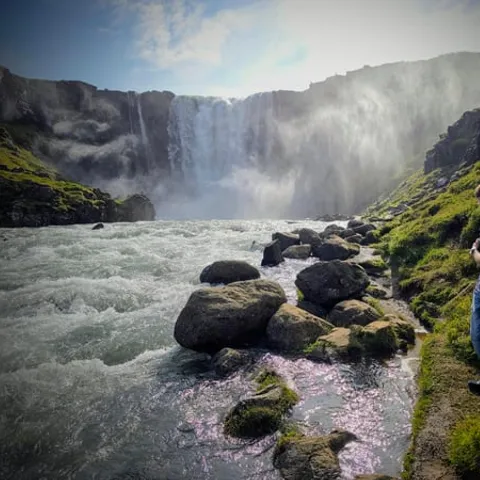
Gufufoss drops beside the road over the pass, a short flat walk from the car park.
Gufufoss Waterfall Flow and Visibility
Gufufoss stands approximately 88 feet (27 meters) tall.[10] It drops beside the road that climbs from Seydisfjordur towards the pass, which makes it one of the easiest waterfalls in the region to reach. The walk from the car park is no more than 150 meters, it is completely flat, and it takes a minute or two.[3]
Flow changes through the year. After snowmelt the falls run heavy and the spray reaches the road; in a dry late summer they thin into separate strands over dark rock. Low cloud and drizzle can hide the top of the drop altogether, and the mossy gorge below looks different in every kind of light. Gufu Waterfall is one of the stops on the port tour.[4]
There is no need to rush the stop. The car park sits beside the road, so this is a short leg stretch rather than a hike, which is one reason it works so well on a coach day with several stops to fit in.
Seydisfjordur Weather and What to Expect
Seydisfjordur weather is coastal weather, shaped by a town that sits at the head of a fjord under steep slopes. Cloud can hang low over the water while the pass above is clear, or the other way round. For July, the averages for this coast run from a high of 51°F (11°C) to a low of 43°F (6°C), which describes a typical day rather than a promise.[2]
If you are checking the temperature in Seydisfjordur Iceland before you pack, treat those figures as a baseline and add a layer on top. The Seydisfjordur temperature you actually feel depends as much on wind and rain as on the reading itself, and wind funnelling down the fjord does most of the work. A waterproof shell, a warm mid layer and shoes that cope with wet gravel will cover most of what a summer day here throws at you. Seydisfjordur weather is mild, damp and changeable rather than hot or icy.
from US$229
The Puffin & Gufufoss tour from Seydisfjordur Port runs 5 hours, with free cancellation up to 24 hours in advance.[4]
Mountain Pass Conditions and Route Reliability
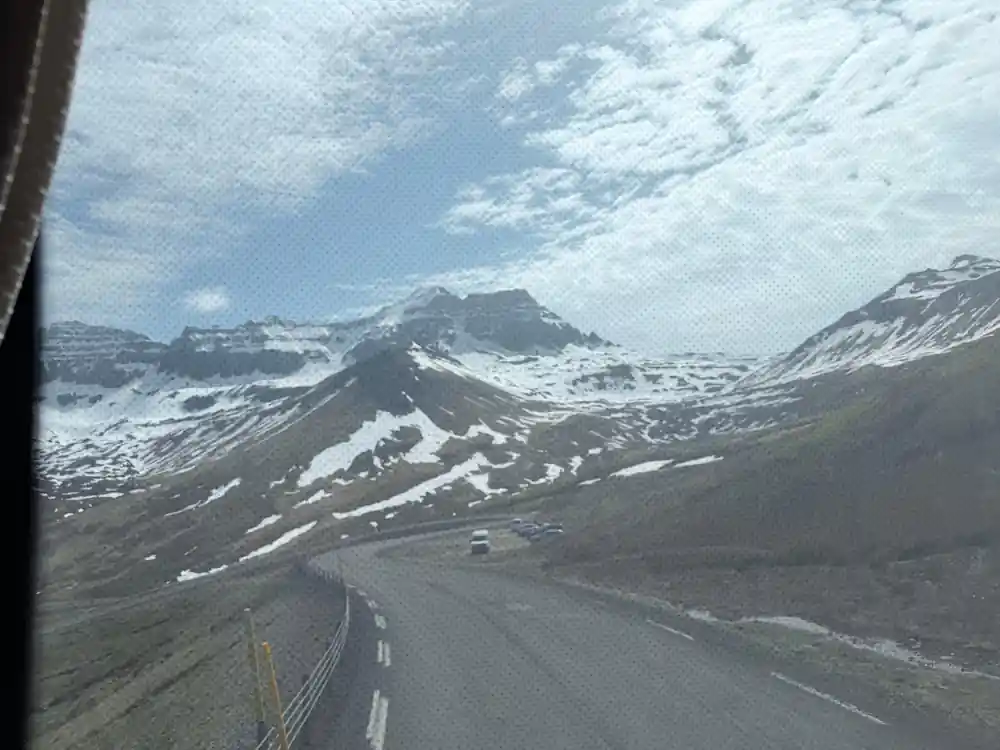
The road between Seydisfjordur and Egilsstadir climbs over Fjardarheidi, the mountain pass that links the fjord town with the inland hub. On a clear day the ascent is one of the great drives of the east, with the fjord laid out below you and the town shrinking as you rise. On a rough day it is fog, sideways rain and gusts that push at the car.
Pass conditions can change faster than conditions down in the valley, and the highest stretch may be difficult while the harbour below looks calm. Check the road status and the forecast before you set out, leave extra time for the crossing, and stay flexible. If the pass looks uninviting, the fjord shoreline, Rainbow Street and the Blue Church at the end of it are all within an easy walk of the harbour.[9]
Cruise Season and Tour Availability
Seydisfjordur fills up on the days a ship is in. Many travellers arrive on the Norrona, the ferry run by Smyril Line that docks in the small town of Seydisfjordur.[5] Others come ashore for a few hours from a cruise call. On those days the town runs to a ship timetable, the harbour is lively, and the road out towards the waterfall carries more traffic than usual.
The port tour is built for that rhythm. It lasts 5 hours, with start times to check for your date, and you can reserve now and pay later.[4] Free cancellation runs up to 24 hours in advance for a full refund.[4] If you want a different shape to the day, the Studlagil Canyon shore excursion also runs 5 hours,[6] the Vok Baths entry is a 1.5 hour geothermal stop,[7] and the hidden Stuðlagil and reindeer tour runs 6 hours.[11] Studlagil Canyon itself is a basalt rock formation in Jokuldalur Valley in East Iceland.[12]
Whatever your dates, booking ahead is the simplest insurance on a port day, and you can cancel up to 24 hours in advance for a full refund if your plans change.[4]
Planning Your Visit: Month by Month
The clearest way to choose a date is to work backwards from what you most want to see. Puffins put Hafnarholmi on the map from the middle of April to the beginning of August.[1] For July, the published averages for this coast sit at a high of 51°F (11°C) and a low of 43°F (6°C).[2] With midsummer daylight stretching late into the evening, a five-hour tour still leaves the end of the day free.[4]
Outside those months the region is quieter and the light is softer, and the waterfall still runs beside the road. If your dates are fixed by a ship or a ferry, you cannot choose the weather, so choose the plan instead: book the tour you want early, keep one flexible day in reserve, and decide on the morning whether you are heading out or staying in the fjord with a coffee.
How long Seydisfjordur tours last
From-prices for Seydisfjordur port tours
From-prices in US dollars for these GetYourGuide listings.[4][6][7][11]
When to book this East Iceland tour
Plan the port day
Check your window
Puffins nest from the middle of April to the beginning of August, so that stretch is the first choice if the birds matter most.[1]
Book the port tour
The tour lasts 5 hours with a live English guide, and start times are shown when you check availability for your date.[4]
Pack for a wet coast
July averages run from a low of 43°F (6°C) to a high of 51°F (11°C), so a windproof shell and a warm layer earn their place.[2]
Check the pass
Fjardarheidi is the mountain pass between Egilsstadir and Seydisfjordur, and it can behave very differently from the fjord below.
Keep a wet-weather plan
Rainbow Street and the Blue Church at the end of it are a short walk from the harbour when the hills are lost in cloud.[9]
Ready to see the puffins and Gufufoss for yourself?
from US$230Reserve now & pay later