In a nutshell
- Hafnarhólmi in Borgarfjörður Eystri, where puffins nest every year from the middle of April to the beginning of August.[1]
- The Puffin & Gufufoss Waterfall Tour from Seydisfjordur Port runs 5 hours with a live English guide, from US$229.[2]
- Gufufoss stands approximately 88 feet (27 meters) tall, and the flat walk in from the car park is no more than 150 meters.[3][4]
- A telephoto zoom, a microfibre cloth, a rain cover and spare batteries cover most of what a puffin and waterfall day throws at you.
- Reserve now and pay later, with free cancellation up to 24 hours in advance for a full refund on this tour listing.[2]
- Top choice Puffin & Gufufoss Tour from US$229 Duration5 hours[2]Rating4.63 from 270 reviews[2]GuideLive tour guide: English[2]CancellationCancel up to 24 hours in advance[2] Check availability
- Vök Baths Entry from US$61 Duration1.5 hours[5]Rating4.69 from 386 reviews[5]GuideHost or greeter: English, Icelandic[5]CancellationCancel up to 24 hours in advance[5] See this tour
- Stuðlagil Canyon Shore Trip from US$229 Duration5 hours[6]Rating4.46 from 336 reviews[6]GuideLive tour guide: English[6]CancellationCancel up to 24 hours in advance[6] See this tour
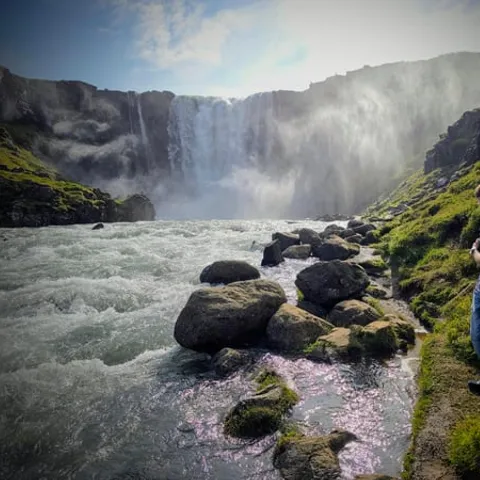
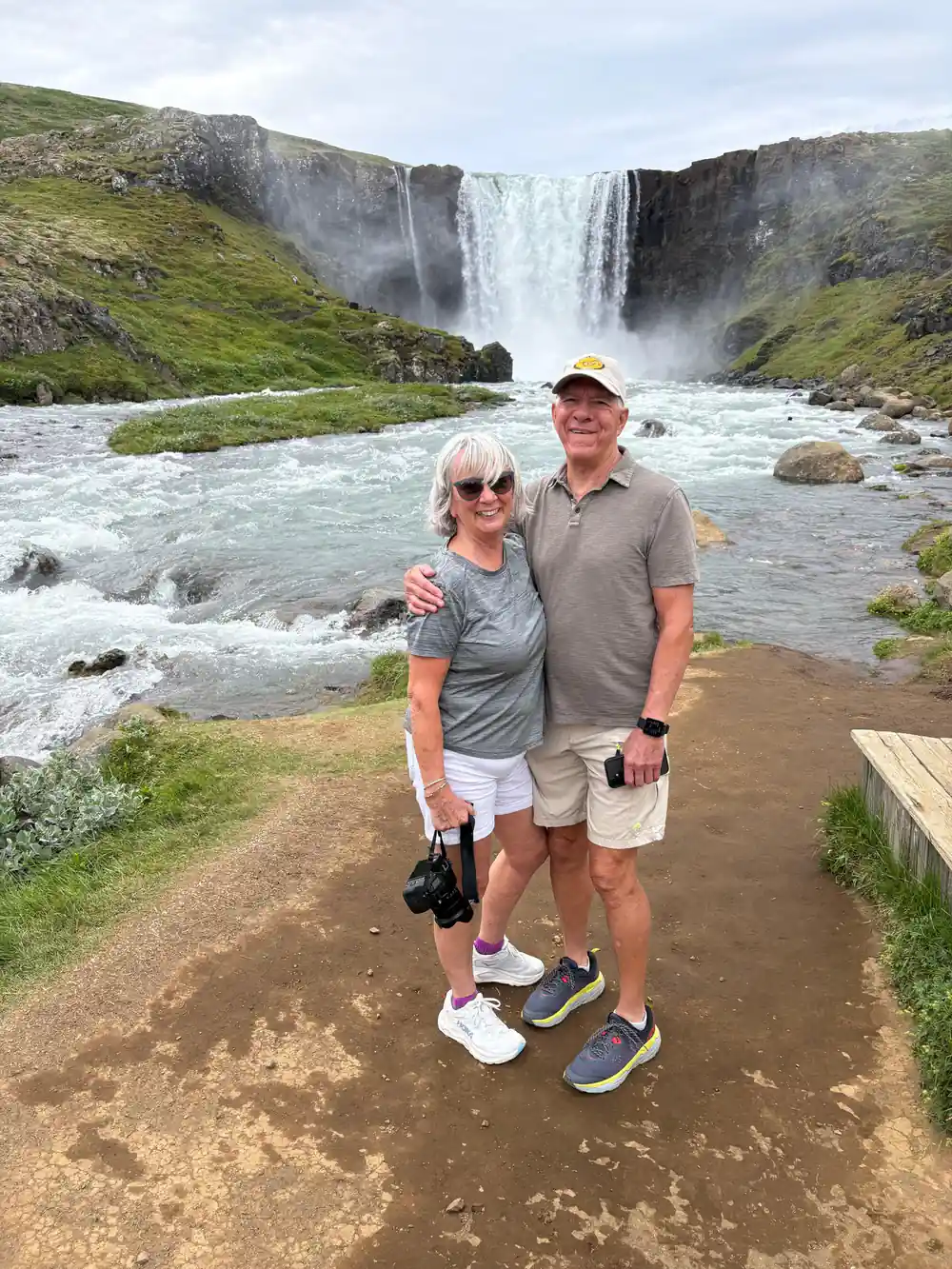
Standing at approximately 88 feet (27 meters) tall, Gufufoss is one of the striking waterfalls along the Fjarðará River , a waterway known for its excellent fishing spots.
Worth it for photographers who plan around the birds
Gear to pack
- A telephoto zoom, or the longest lens you own
- A rain cover and two microfibre cloths for spray
- A lens hood to keep low sun and drizzle off the glass
- Spare batteries and cards, kept warm in an inside pocket
On the tour
- 5 hours out from Seydisfjordur Port, with a live English guide[2]
- From US$229, reserve now and pay later[2]
- Coach stops include Hafnarholmi, Lindarbakki and Gufu Waterfall[2]
- Free cancellation up to 24 hours in advance[2]
Finding a Puffin Near Me: Hafnarhólmi and Getting There
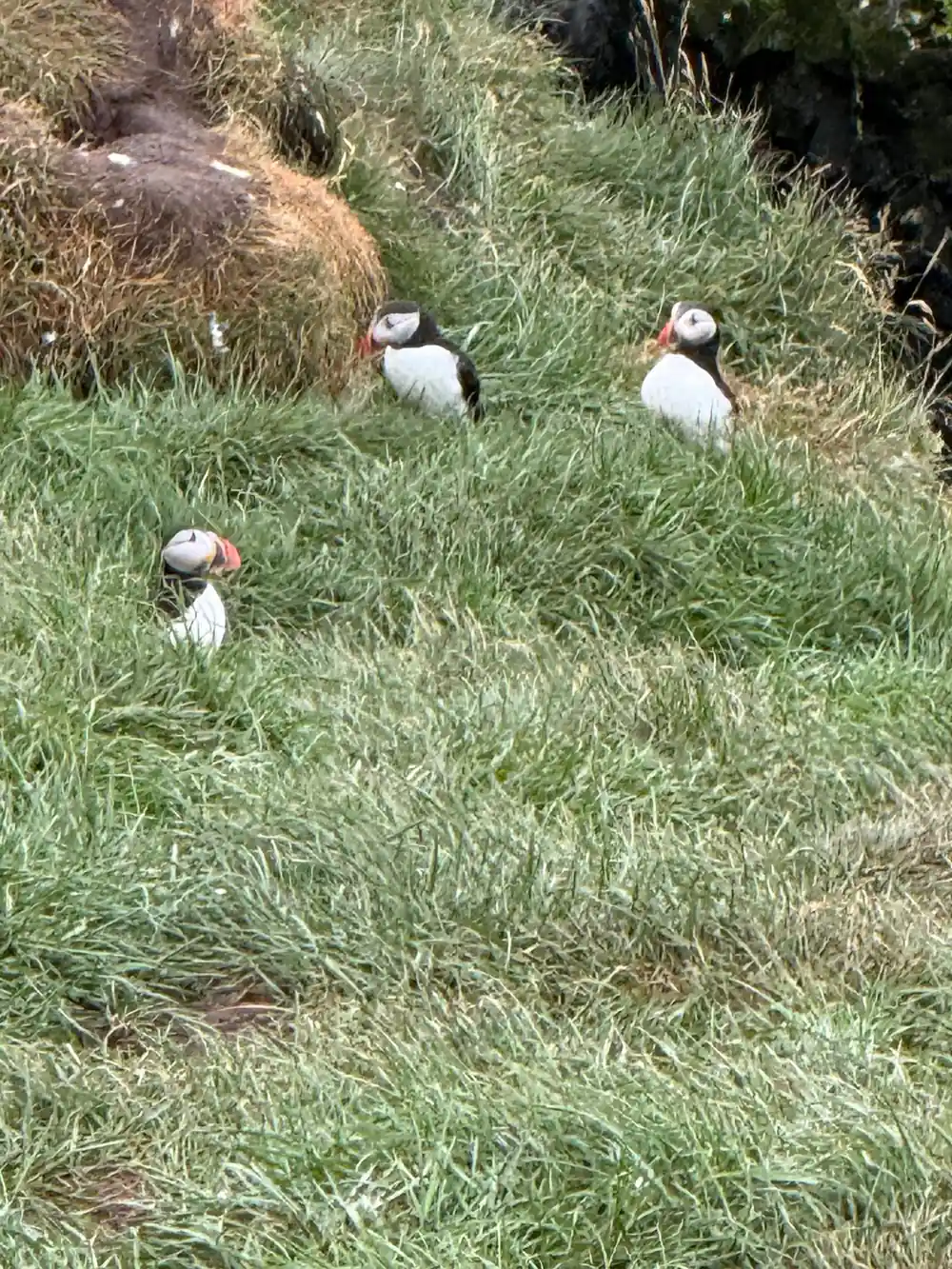
For a puffin near me moment on an East Iceland port call, the place to head for is Hafnarhólmi in Borgarfjörður Eystri. Puffins nest there every year from the middle of April to the beginning of August.[1] The Puffin & Gufufoss Waterfall Tour from Seydisfjordur Port lists Hafnarholmi among its stops, together with the Northeastern Region, Lindarbakki and Gufu Waterfall.[2] In one outing you get a working harbour colony, a turf house and a waterfall, which is a lot of subject matter for a single camera bag.
Seydisfjörður itself is worth an hour of your own before or after the tour. The Rainbow Street, lined with old historic houses, ends at the town's church, usually called Bláa kirkjan, or the Blue Church.[7] Arrive by sea and the Norrona ferry, run by Smyril Line, docks right in the small town.[8] Drivers climb over the mountain pass on the way in, and the road drops down towards the fjord in a long run of bends. However you get here, pack for wind: the fjord funnels it, and the harbour at Hafnarhólmi is exposed on three sides.
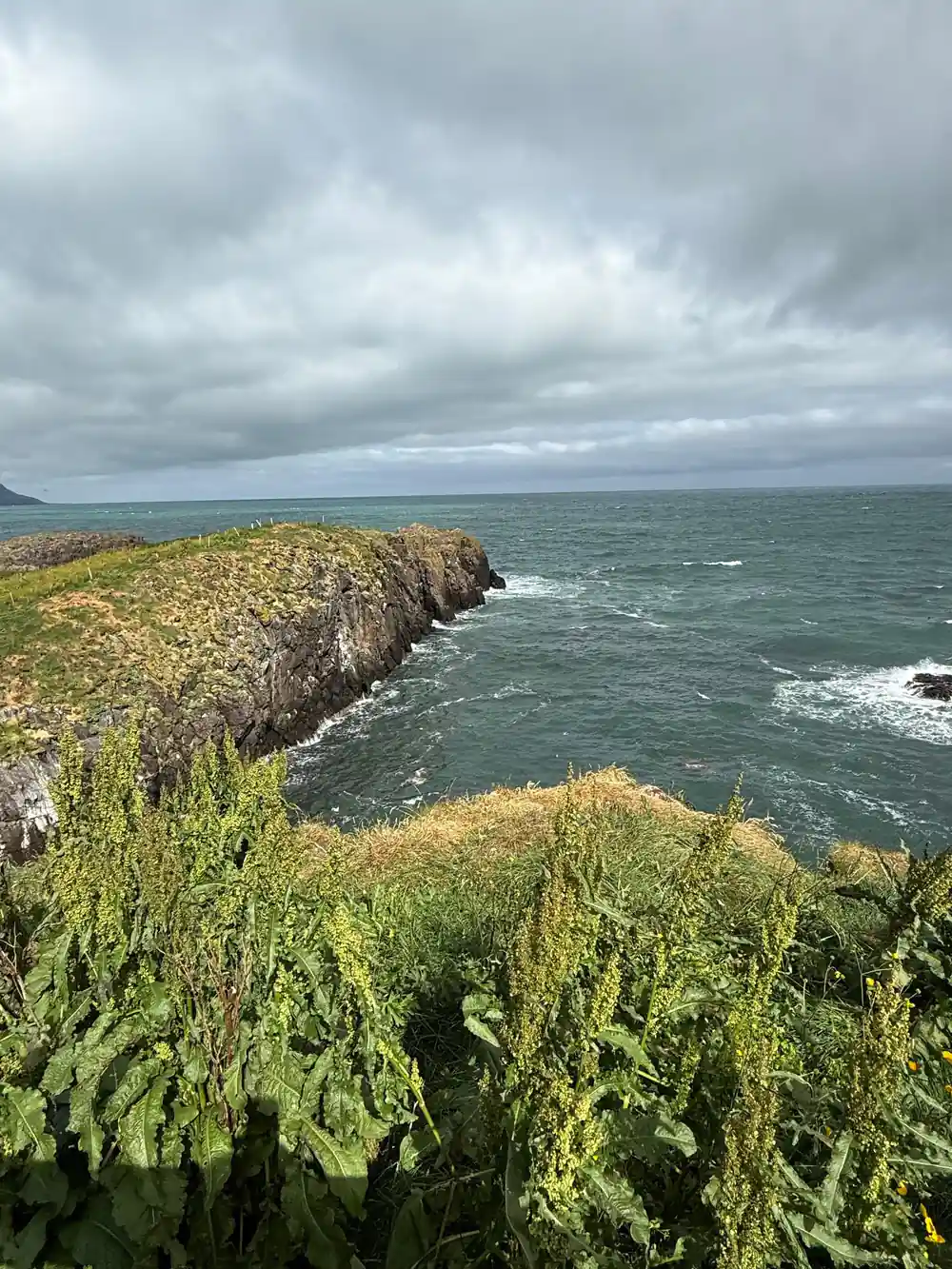
The road out to Borgarfjörður Eystri climbs away from the fjord, crosses a bare pass and then drops into a wide green valley with the sea at the end of it. Keep a camera within reach on the way, because the view back towards Seydisfjörður from the high ground is part of the trip. At the harbour itself, wooden platforms and steps are built into the rock, so you stand above the birds rather than beside them, and the colony is a short walk from where the coach parks.
Lens Length for Puffins at Hafnarhólmi
Reach matters more than anything else at a seabird colony. Puffins land on grassy slopes and rock ledges a short step from the viewing platforms, but the birds that are actually doing something interesting, preening, carrying fish, squabbling, tend to sit further out. A telephoto zoom covers that range, and the long end of a travel zoom is enough for sitting birds if you are willing to crop. If you have a choice between two lenses, take the longer one and leave the wide angle to your phone.
Think about light as well as length. A slow, long lens in flat grey weather will hunt for focus and give you soft frames, so raise the sensitivity rather than dropping the shutter speed when the cloud thickens. If your lens has stabilisation, keep it on for handheld stills and switch to a panning mode, if there is one, when you follow a bird in flight. Zoom with your feet where the platform allows it, and use a modest aperture so the eye and the beak both stay sharp.
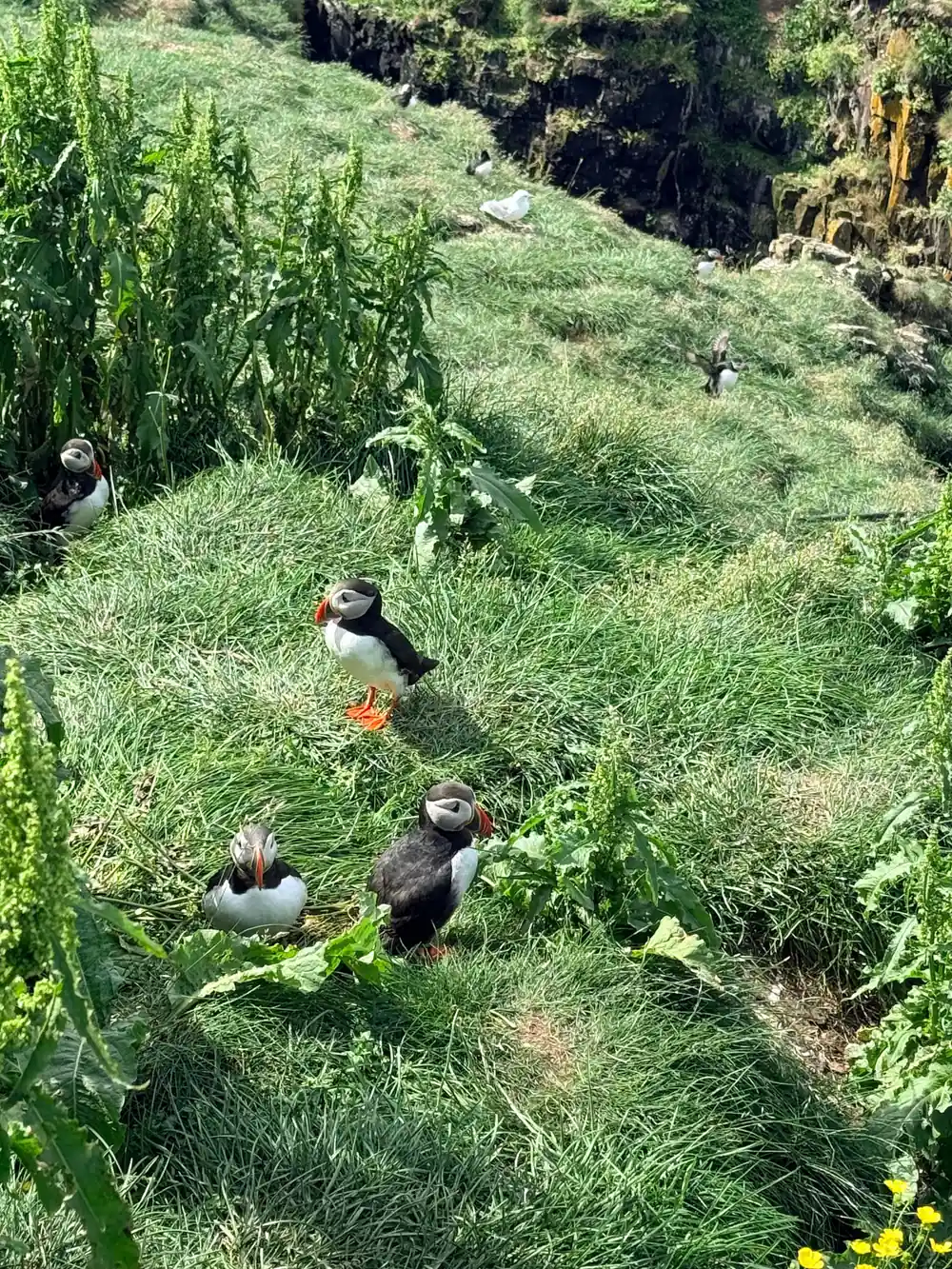
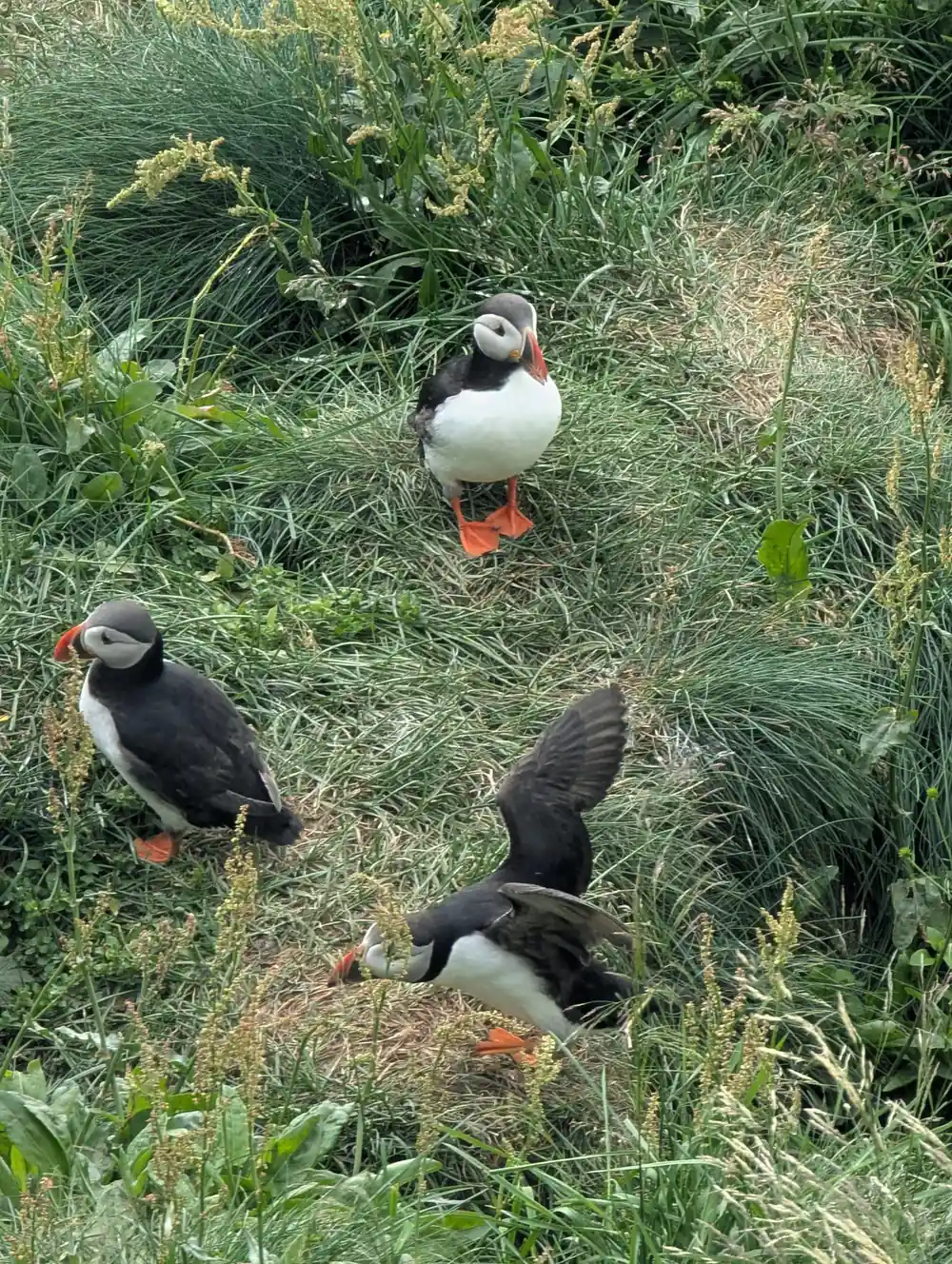
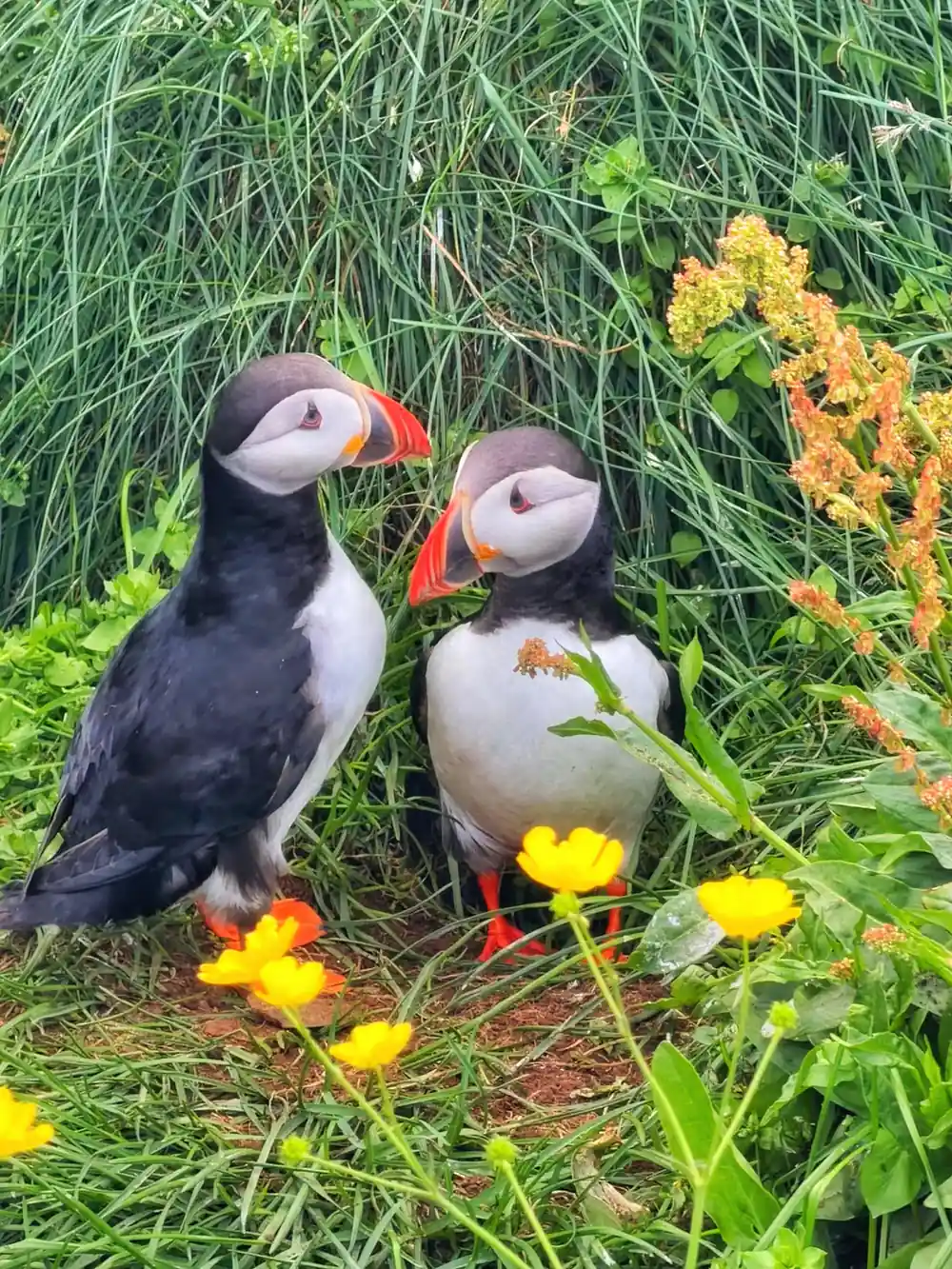
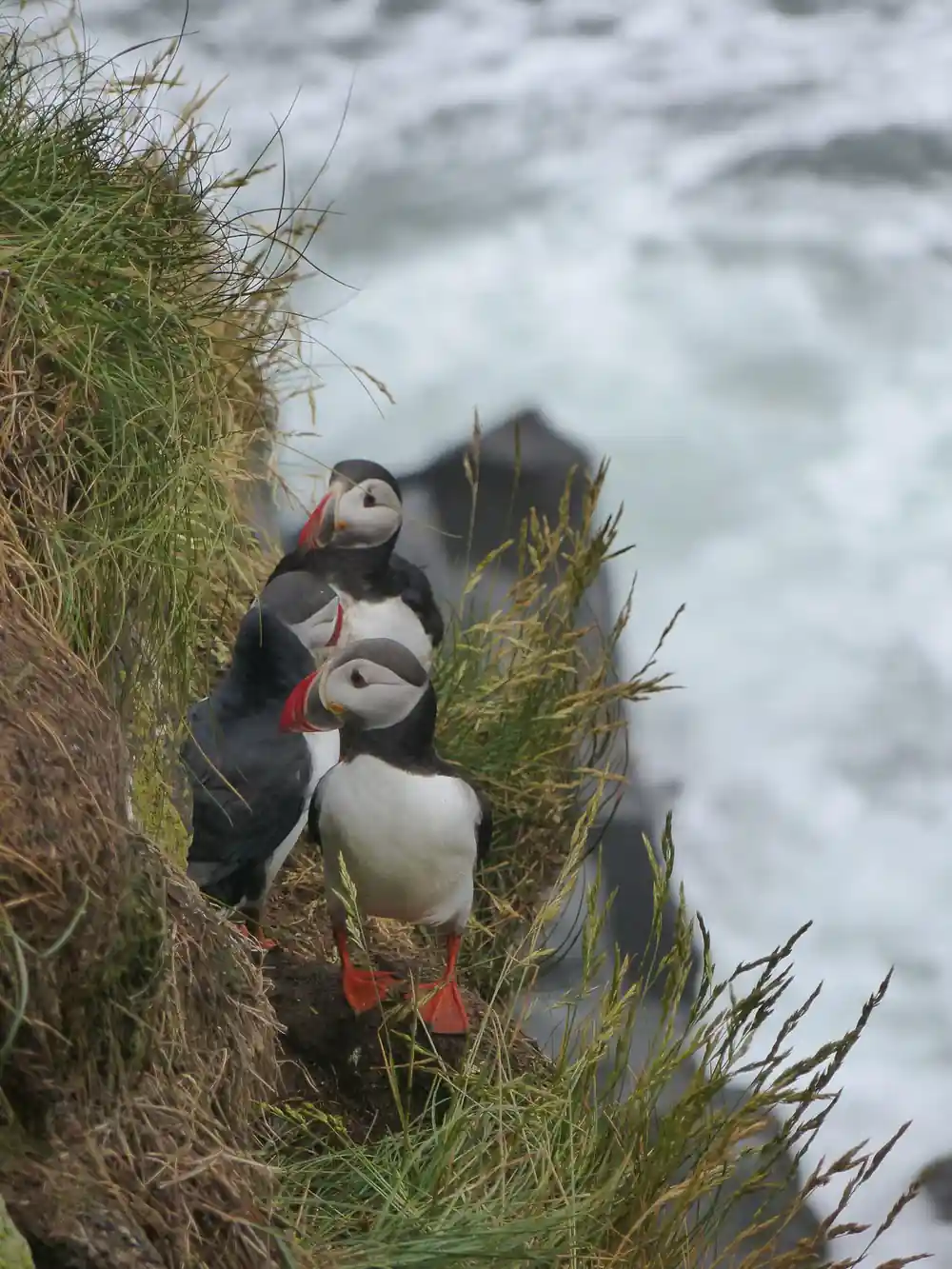
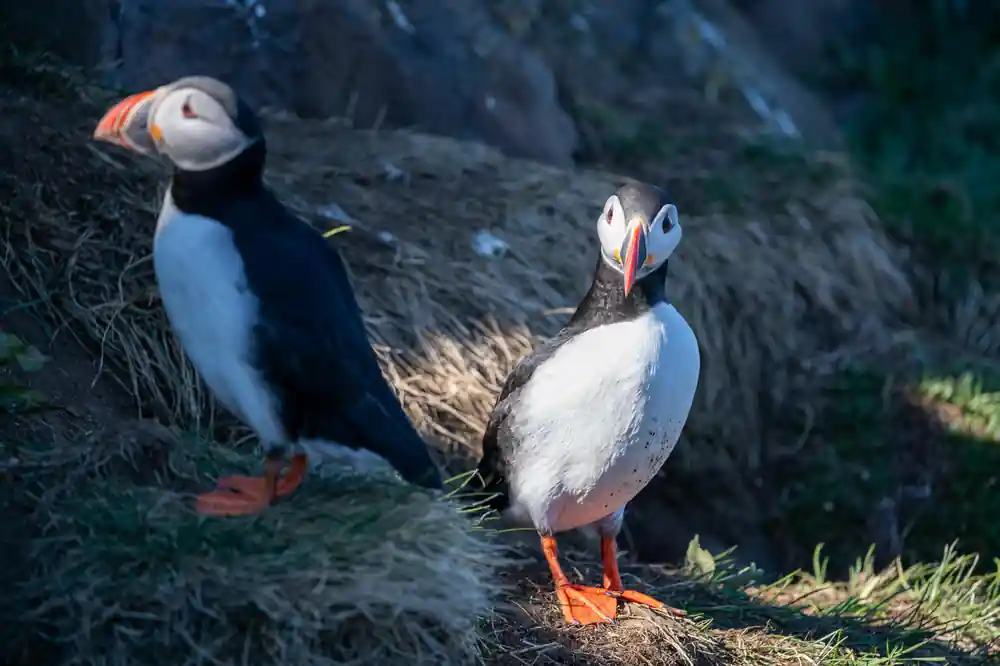
Puffins crowd the rocky slope above the harbour at Hafnarhólmi.
Positioning Yourself on the Boardwalk at Hafnarhólmi
The platforms at Hafnarhólmi run at different heights, which is the single most useful thing about them for photography. Getting low, kneeling or sitting on the boards, brings you close to the birds' eye line and turns a snapshot into a portrait, with sea or grass behind the bird instead of a wall of rock. Work the edge of the platform, brace against a rail where you can, and resist the urge to lean out over the drop.
It is a shared space, so keep your bag out of the walking line and let other visitors past before you settle in. A group moves on the guide's schedule, so pick your spot early, stay with it and let the birds come to you. Puffins are creatures of habit: the same ledge gets used again and again, and the birds that land there are far easier to photograph than anything you chase along the rail.
Capturing Flight: Handheld Technique in Wind
Flight shots are the hard part, and they reward a plan rather than luck. Watch the wind and find the line the birds use when they come in to land, then pre-focus on the rock or patch of grass where they touch down and wait with the camera already up. Use a fast shutter speed, the fastest continuous drive your camera has, and a wide focus area that follows the bird across the frame.
Handheld work in coastal wind is mostly about bracing. Tuck your elbows in, keep your feet apart, breathe out slowly and squeeze rather than stab the shutter button. A monopod can help between bursts but gets in the way when you pan, and a heavy lens will tire you long before the birds do. Expect to delete a lot of empty sky and half wings. The frames that work tend to come in the last moments before a bird touches down.
from US$229
Puffin & Gufufoss Waterfall Tour from Seydisfjordur Port: 5 hours, live English guide, free cancellation up to 24 hours in advance.[2]
Protecting Gear from Waterfall Spray at Gufufoss
Gufufoss stands approximately 88 feet (27 meters) tall,[3] and the walk in from the car park is gentle: no more than 150 meters, completely flat, a minute or two at an easy pace.[4] That easy approach means you will probably shoot from close range, and close range at a waterfall means spray on the front element. Carry a microfibre cloth in a pocket rather than in the bag, and wipe the glass before every serious frame rather than after.
A rain cover or even a shower cap over the lens keeps the worst off, and a hood helps until the wind turns. Do not change lenses at the base of the falls. Take the wide landscape first, then put the camera away, dry it, and only then go back for detail shots. Gufu Waterfall is a stop on the Puffin & Gufufoss tour,[2] and it also appears on other shore excursions from the port.[6][9]
Drone Flight, Flash and Midnight Sun Light
Two things are worth sorting out before you travel rather than at the harbour. If you plan to fly a drone, look up the current Icelandic aviation and nature protection guidance for the areas you will visit, and ask your guide what is accepted locally, because a working harbour and a nesting cliff are not the same place. Flash is a similar question: ask before using it near wildlife, and assume that a burst of light in a colony will not be welcome. Rules change, and the people who run the tour know the current position.
Summer light in East Iceland is generous. The sun stays up late and comes back early, so the soft, low light that photographers chase lasts far longer than it does further south, and the middle of the day is often the flattest part of it. In July, temperatures range from a high of 51°F (11°C) to a low of 43°F (6°C),[10] so dress in layers you can peel off and keep a warm hat for the harbour. Wind chill at the coast is the part people underestimate.
Realistic Expectations for Phone and Compact Cameras
A modern phone will do a good job of the scenery, the turf house at Lindarbakki and the waterfall, and it will manage a sitting puffin if you get reasonably close and use the optical zoom rather than the digital one. What it will struggle with is flight. If you want to try, switch to burst mode, tap on the bird to lock focus, keep the sun behind you and accept a low hit rate. Stay away from digital zoom for anything you plan to print.
Compact cameras with a long built-in zoom are quietly excellent for this kind of day. Set the largest file size, turn on continuous shooting, and learn where the exposure compensation control sits, because bright sky behind dark rock will fool any automatic meter. The Puffin & Gufufoss Waterfall Tour runs 5 hours,[2] which is time enough to take plenty of frames, review them over a break and go back for a second attempt. Bring a spare battery: cold hands and cold batteries both fade faster than you expect.
Listed durations of tours that stop at Gufu Waterfall
From-prices for Seyðisfjörður tours
All amounts are the from-prices in US dollars on each GetYourGuide listing:[2][5][6][9]
When to go for puffins and waterfalls
How to shoot the day
Set up before you step off
Clean the front element, format a card, charge both batteries and fit the lens you plan to use. Fiddling with kit at the colony costs you the first good bird.
Start wide, then go long
Shoot the fjord, the turf house and the waterfall on the way. Once you reach the colony, swap to your longest lens and leave it there.
Find the landing rock
Watch where the birds come in and out, then settle near that spot and wait. Patience beats walking the rails looking for something to happen.
Shoot bursts, review late
Use continuous drive for flight and check your frames when you are back on the coach, not on the platform, where screen light will mislead you.
Dry the kit at the end
Wipe the glass, empty wet cloths out of your pockets, and leave the camera out of its bag overnight so damp air can escape.
Book the Puffin & Gufufoss Waterfall Tour from Seydisfjordur Port
from US$230Reserve now & pay later