In a nutshell
- Five hours from Seydisfjordur port with stops at Hafnarholmi, Lindarbakki and Gufu Waterfall, led by a live guide in English.[1]
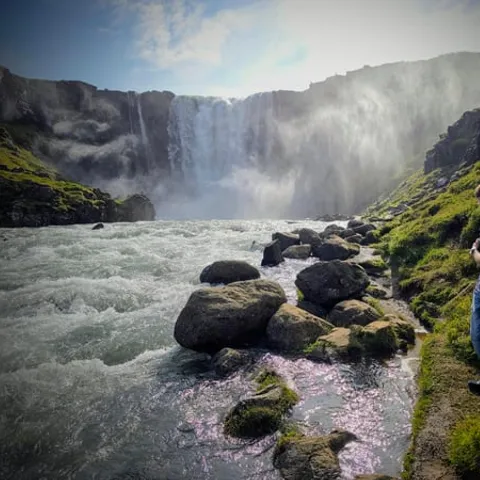
- Gufufoss stands approximately 88 feet (27 meters) tall, and the walk from the car park is no more than 150 meters and completely flat.[2][3]
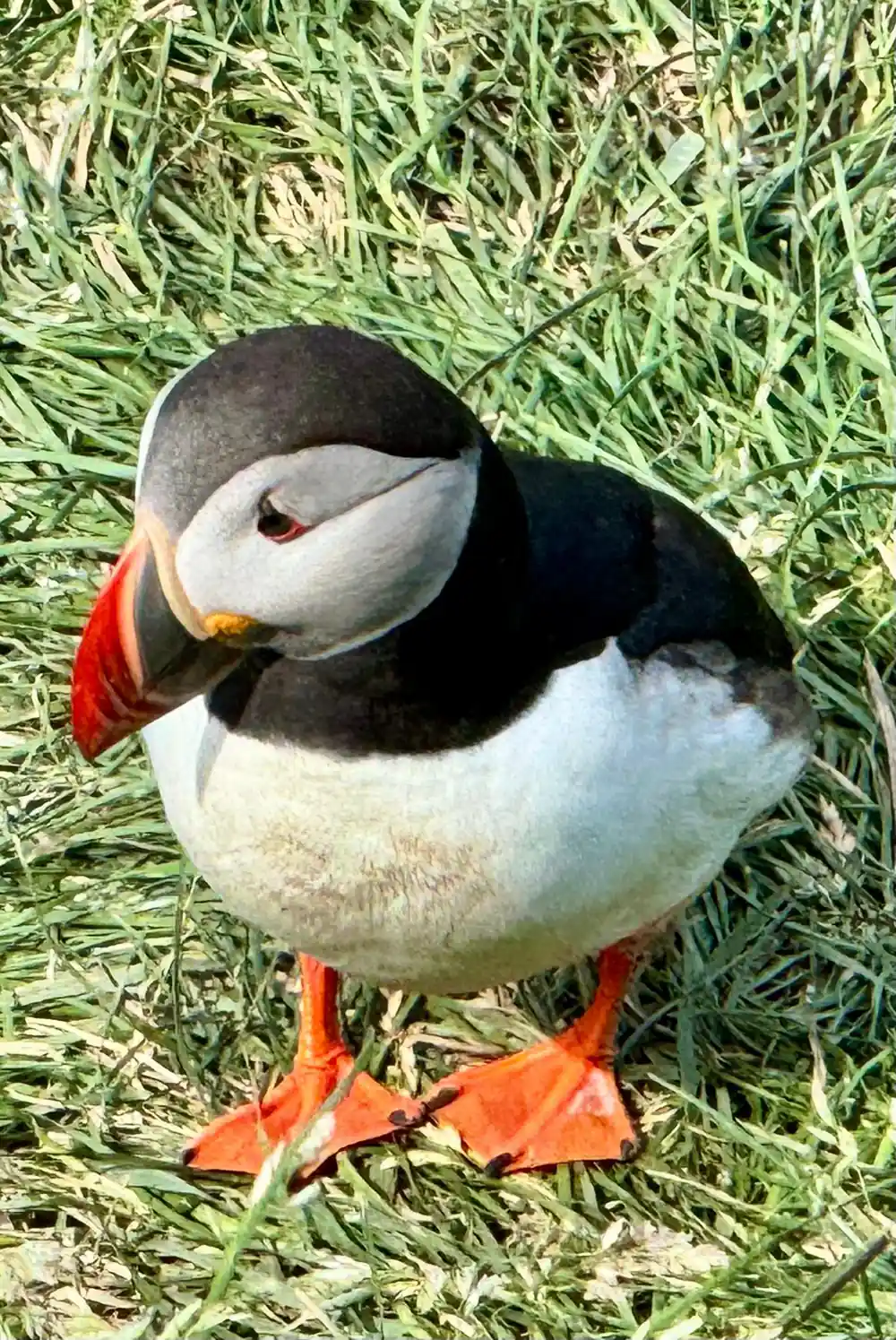
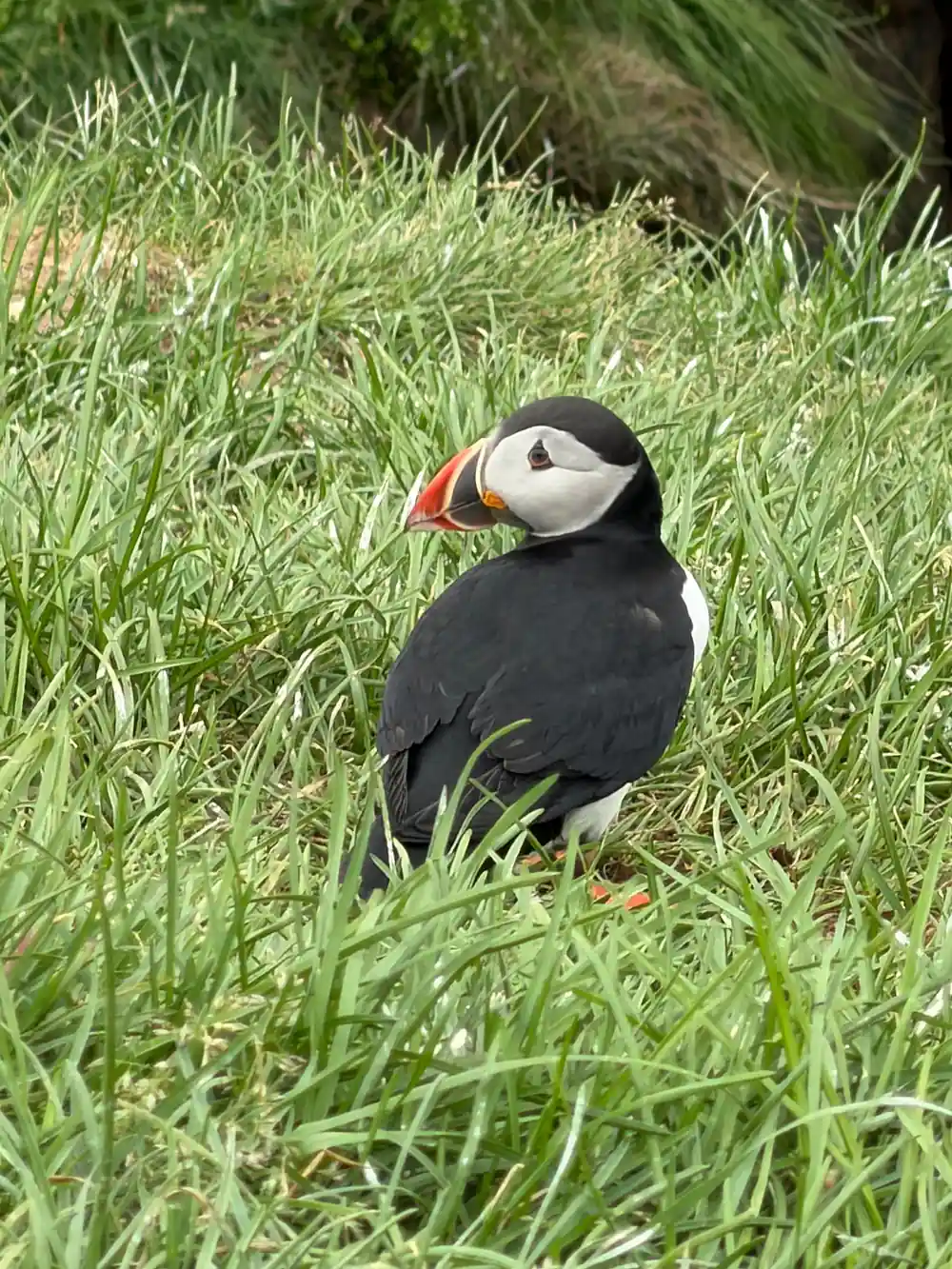
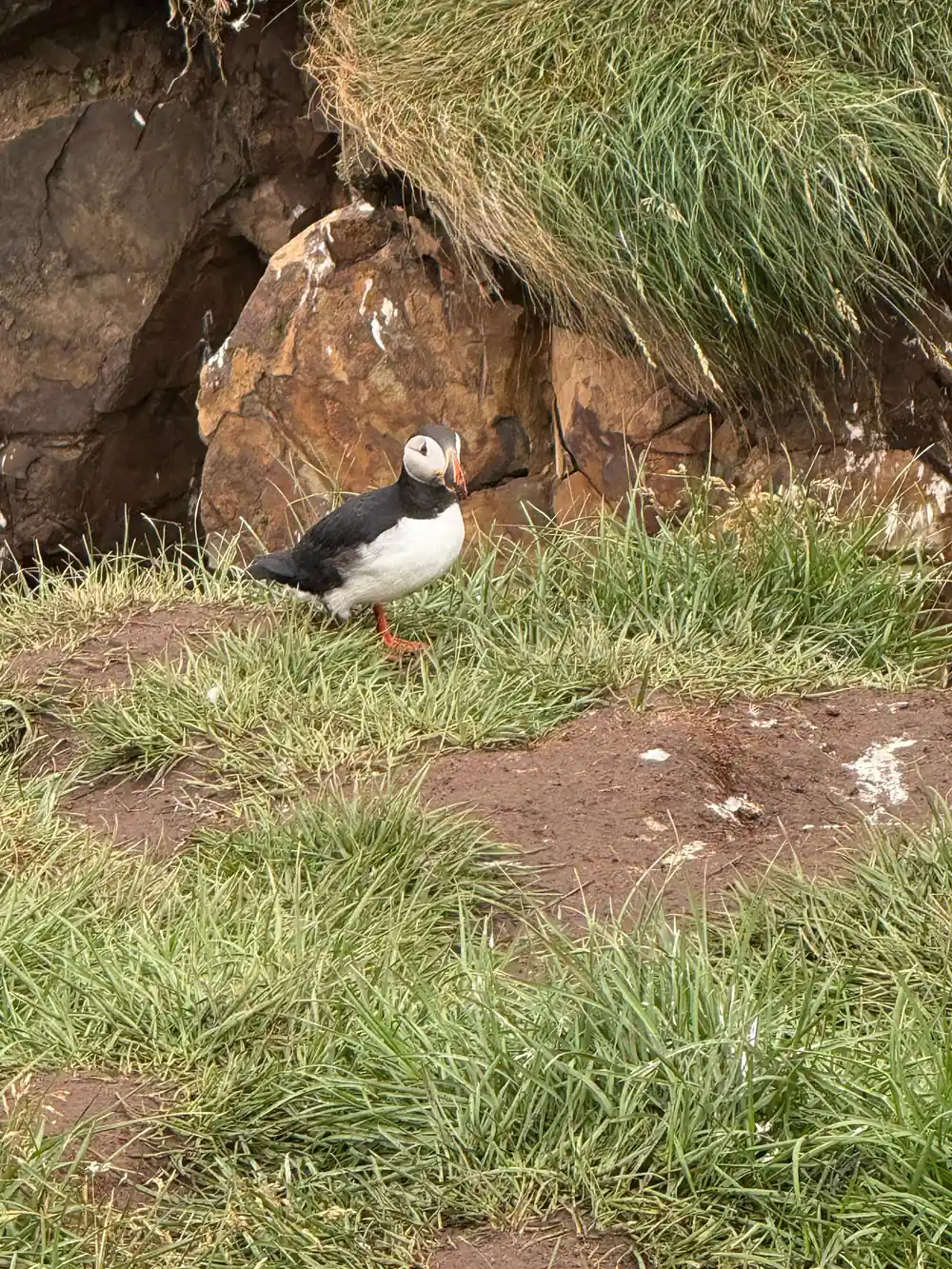
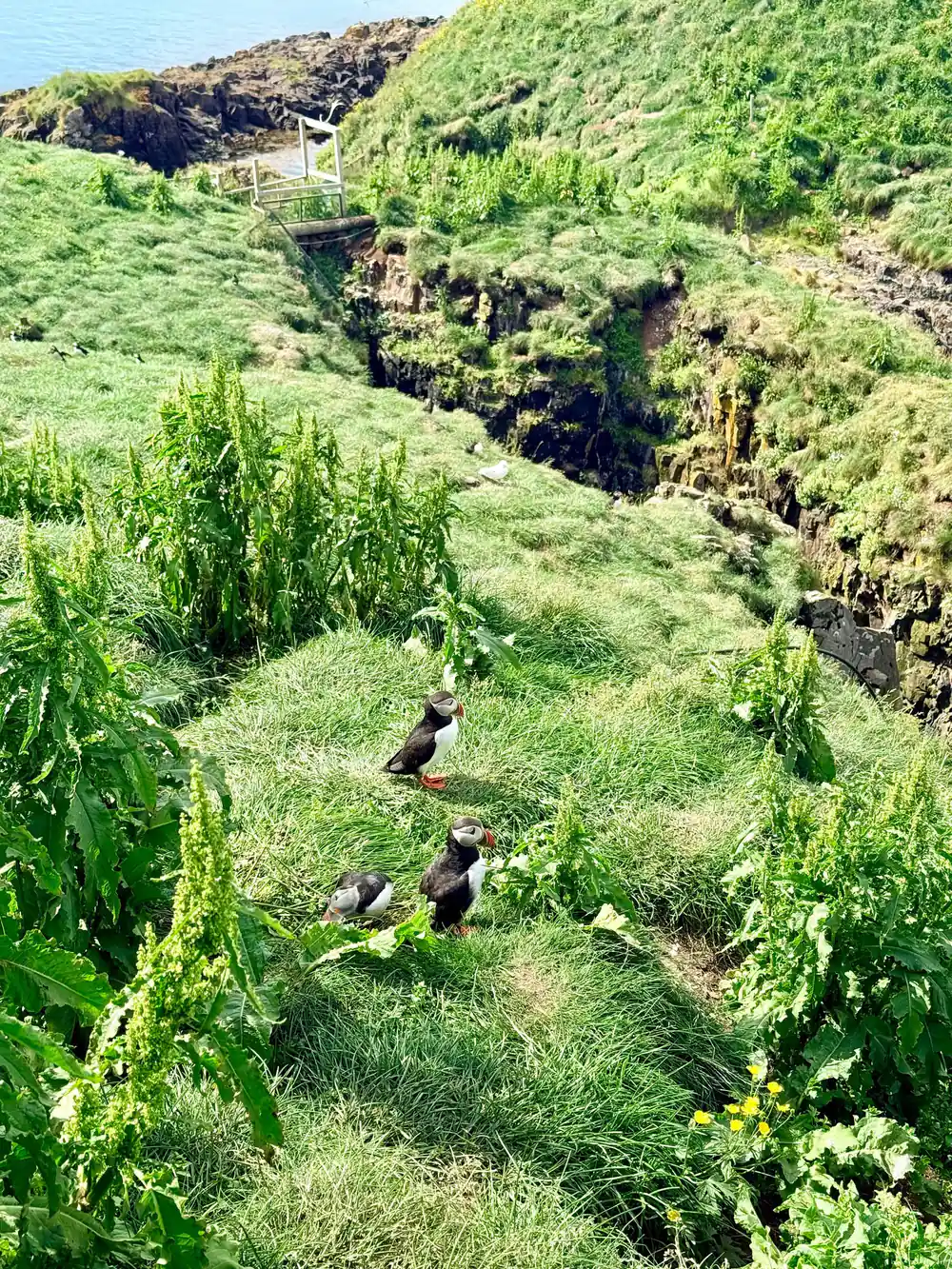
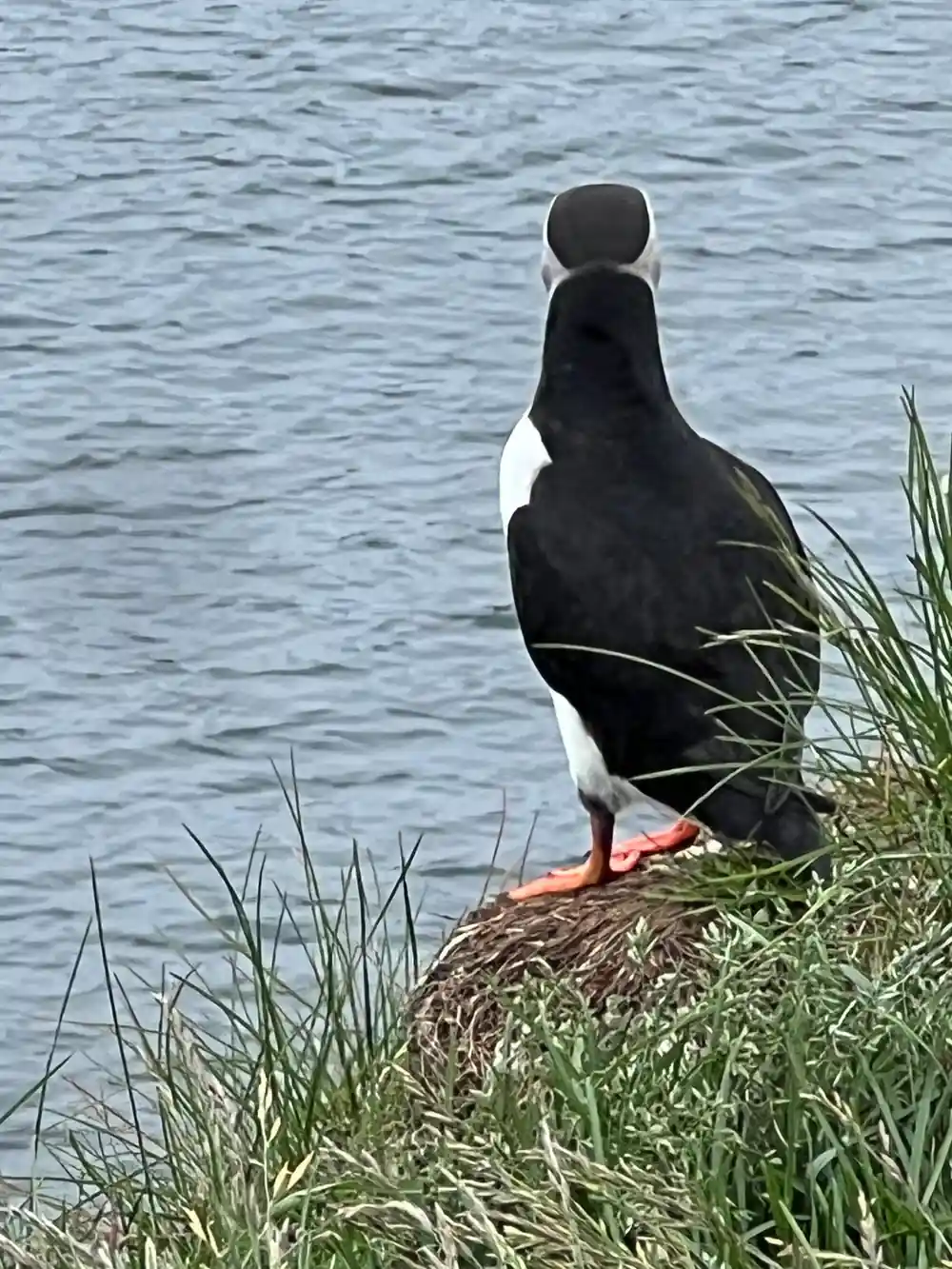
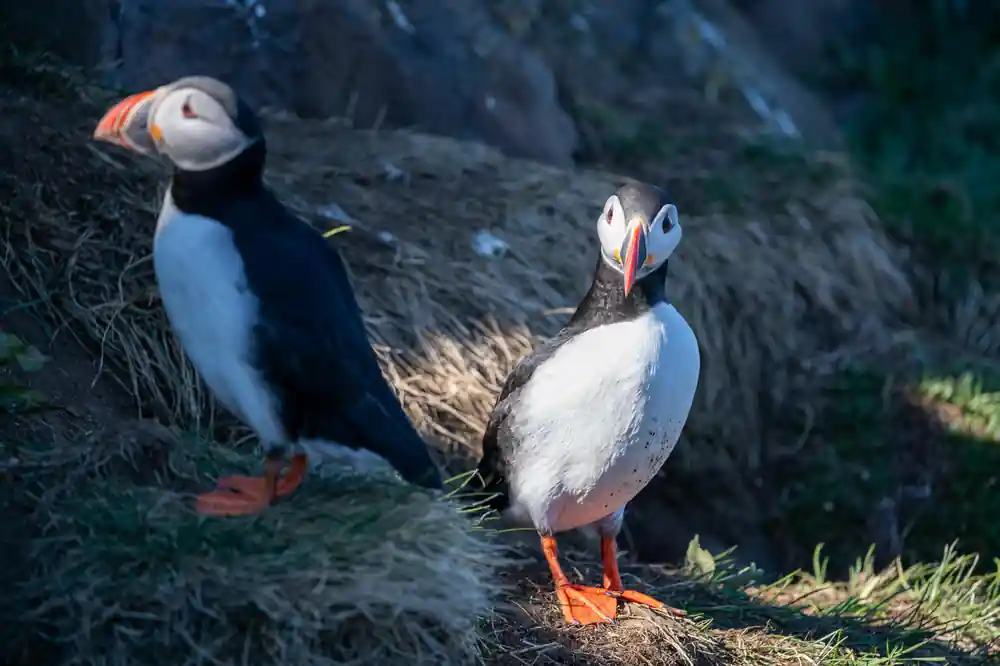
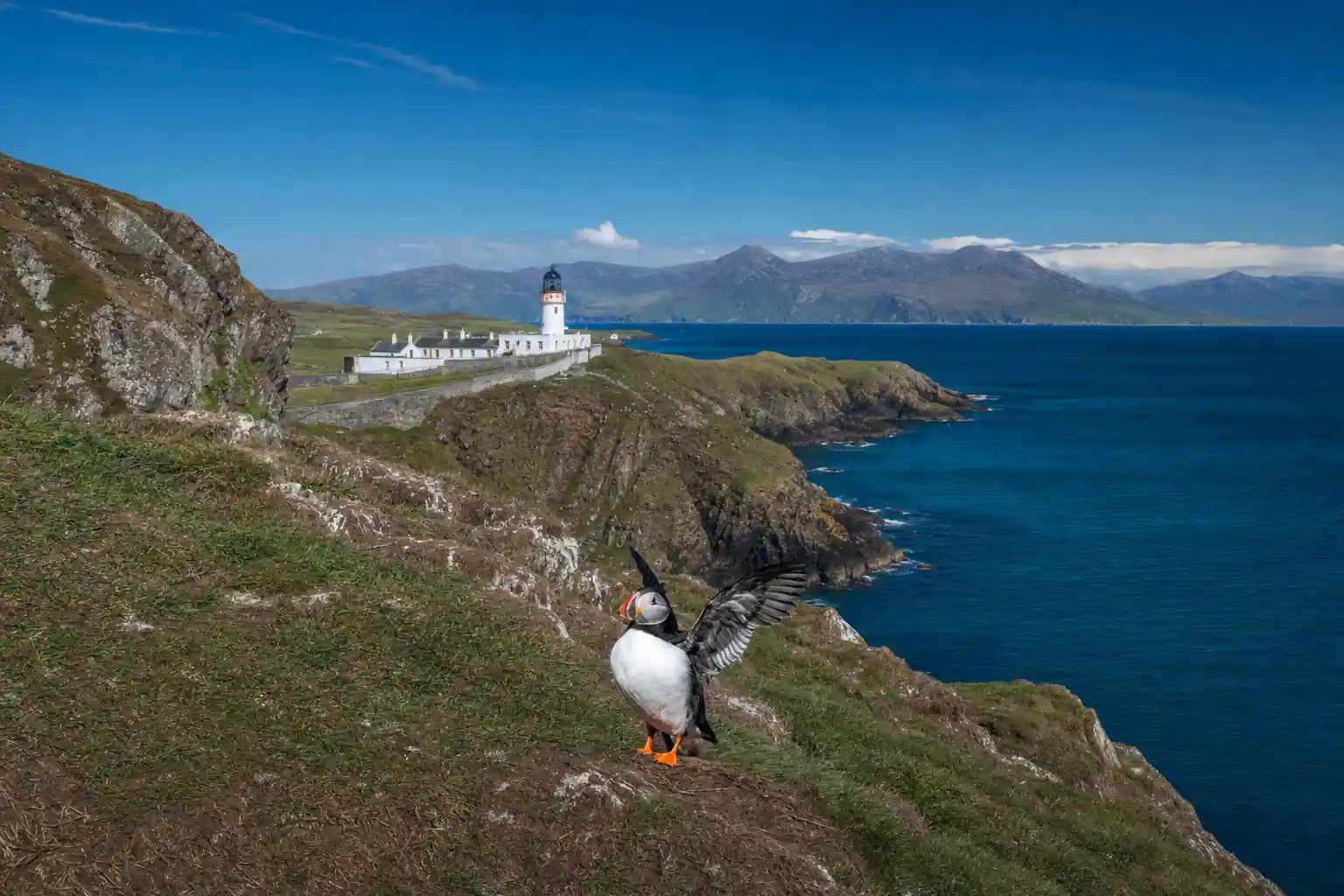
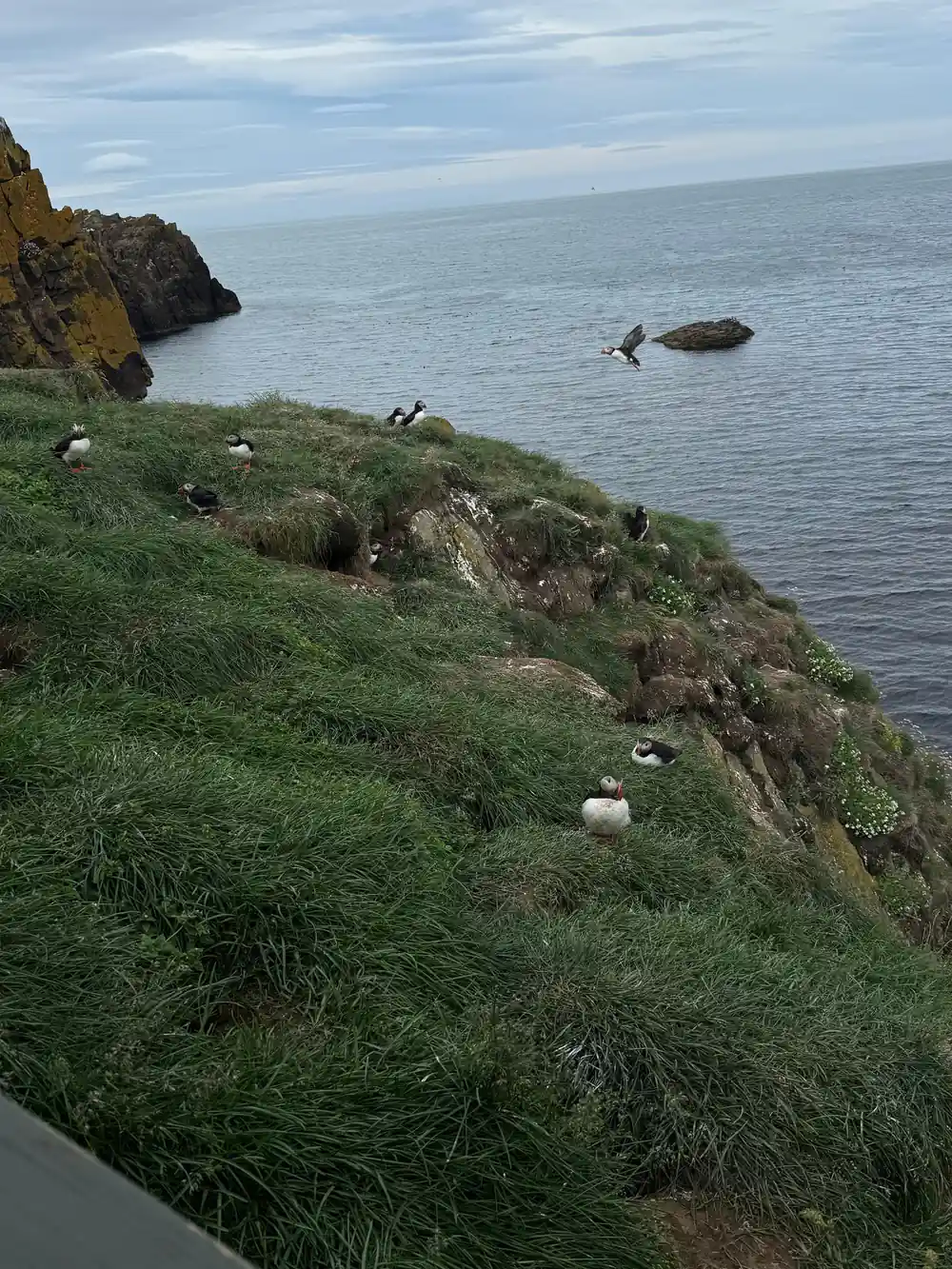
- Puffins nest at Hafnarholmi in Borgarfjörður Eystri every year from the middle of April to the beginning of August.[4]
- In July, a typical day in Seydisfjordur ranges from a high of 51°F (11°C) to a low of 43°F (6°C).[5]
- The Norrona ferry, run by Smyril Line, docks in the small town of Seydisfjordur, the same place the port tours leave from.[1][6]
- Top choice Puffin & Gufufoss Tour from US$229 Duration5 hours[1]Rating4.63 from 270 reviews[1]GuideLive tour guide: English[1]If plans changeCancel 24 hours ahead, full refund[1] Check availability
- Studlagil Canyon Tour from US$229 Duration5 hours[7]Rating4.46 from 336 reviews[7]GuideLive tour guide: English[7]If plans changeCancel 24 hours ahead, full refund[7] See this tour
- Vök Baths Entry from US$61 Duration1.5 hours[8]Rating4.69 from 386 reviews[8]GuideHost or greeter: English, Icelandic[8]If plans changeCancel 24 hours ahead, full refund[8] See this tour
Studlagil Canyon is a basalt rock formation located in Jokuldalur Valley in East Iceland.
Verdict: wind and rain are part of the day, not a reason to stay aboard
What to pack for a wet day
- A waterproof shell that packs down small, for headland wind and waterfall spray.
- Shoes with grip for wet gravel and mossy rock on the short walk to Gufufoss.
- Sunglasses and a cap for the bright spells that often follow an East Iceland shower.
- A warm mid layer: July runs from a high of 51°F (11°C) to a low of 43°F (6°C).[5]
On the day itself
- The tour runs five hours from Seydisfjordur port, so build your port call around it.[1]
- Reserve now and pay later is offered, with free cancellation up to 24 hours ahead.[1]
- A live guide in English leads the coach loop and can read the conditions as they change.
- Puffins nest at Hafnarholmi from the middle of April to the beginning of August.[4]
Rain on the Route: Does the Tour Run in Wet Weather?
East Iceland weather is decided by the fjord and the mountains around it, and it changes faster than most visitors expect. A morning can start grey and still, brighten while you are on the coach, then close in again with rain before you are back at the harbour. The Puffin & Gufufoss tour takes five hours from Seydisfjordur port, so you are committing to a real half day outdoors.[1] In July, a typical day here ranges from a high of 51°F (11°C) to a low of 43°F (6°C).[5]
Rain usually arrives in squalls rather than as a solid grey wall, and a waterproof shell handles it better than an umbrella, which the wind will take from you. Think of the day as a series of short walks between dry spells on the coach, with stops at Hafnarholmi, Lindarbakki and Gufu Waterfall.[1] If the forecast looks genuinely rough, free cancellation up to 24 hours in advance leaves the decision with you.[1]
Coastal rain also rarely behaves the same way all day. Showers pass, the cloud lifts, and the light over the fjord changes within minutes. A coach that moves between viewpoints gives you several chances at the same landscape under different skies, so keep the camera within reach instead of buried in a bag.
The Mountain Pass, Fog and the Road Into Town
Seydisfjordur sits at the end of its fjord, and most people reach it either over the high ground behind the town or by sea. The pass above the fjord is where cloud tends to gather first, where wind funnels through the gap, and where winter lingers longest, so conditions up there can look very different from the sheltered street along the water. If you are driving in yourself, check the route before you set off and allow more time than the map suggests.
Arriving by sea changes that. The Norrona ferry, which is run by Smyril Line, docks at the small town of Seydisfjordur.[6] On this tour the mountain road is not part of the route: the coach works the coastal side of the weather, leaving the port and returning to it.[1] Keep that in mind when you read a forecast for the town beyond the pass, because it can be drier, windier or clearer than the fjord you are standing in.
The practical point is simple. Fog on high ground often has nothing to do with the harbour, and rain in the fjord does not mean the headland is closed in. Check both, then decide what to wear rather than whether to go.
Low cloud over Seydisfjordur: the kind of morning to check the forecast twice.
Wind Gusts on the Puffin Headland
Hafnarholmi, on the coast at Borgarfjörður Eystri, is the kind of place where wind arrives with nothing to slow it down. Puffins nest there every year from the middle of April to the beginning of August.[4] On a gusty day the birds fly low and fast into the wind, and the grass on the slopes moves in long waves. Standing on the viewing side, you feel the full force of it, and it is often colder than the number on your phone suggests.
Hats, hoods, camera straps and loose scarves are the things that go first. Hold doors when they open, keep both hands free on steps, and accept that a gust can lift a lens cap out of your fingers in a second. The reward on a windy day is movement: puffins banking into the breeze, spray coming off the swell below, and a sky that keeps rearranging itself above the fjord.
Slippery Surfaces: Steps and Paths When Wet
Wet ground is the real hazard on a rainy day, more than the rain itself. The walk from the Gufufoss car park to the waterfall is no more than 150 meters long, completely flat, and takes a minute or two.[3] That is a short stroll even in heavy rain. Elsewhere you will meet gravel, wet planks, mossy rock and painted surfaces, all of which behave differently underfoot once water is on them.
Grip matters more than waterproofing. Shoes with a decent tread, rather than smooth soles, keep you upright on wet gravel and damp stone, and light gloves make handrails and camera gear easier to handle. Take steps slowly and one at a time, use a handrail where there is one, and shorten your stride on slopes. If you use a walking pole at home, bring it: the paths are short but the surfaces can be slick.
If you have mobility concerns, say so at the start of the day, when the group is still together and there is time to talk it through. Ask your guide about the ground at each stop before you step off the coach, and take the stops you want rather than all of them.
from US$229
Five hours from Seydisfjordur port, with stops at Hafnarholmi, Lindarbakki and Gufu Waterfall and a live guide in English.[1]
Puffin Behaviour During Rough Seas and Wind
Puffins are built for weather that keeps other seabirds on land. In rough seas they raft on the water in loose groups, ride the swell, and fly in fast, low lines between the cliff and the open water. Windy days can put more birds in the air, while calm, bright afternoons leave them sitting quietly on the slopes. At Hafnarholmi they nest every year from the middle of April to the beginning of August.[4]
For viewing, that means patience pays off. Stand still, keep your voice down, and let the birds come to you rather than walking towards them. On a wet, blowy day expect fewer puffins on the grass and more in the air and on the water, and bring binoculars if you have them. A camera with a good zoom will do the rest from the path, and a cloth for the lens is worth packing.
Gufufoss Waterfall: How Rain Transforms the Falls
Gufufoss stands approximately 88 feet (27 meters) tall, dropping into a narrow, mossy gorge just above the road.[2] In dry spells it comes down as separate, tidy threads of water. After a night of rain it turns into a wider, whiter curtain, and you can hear it from the car park before you see it. The rock walls darken, the moss goes glossy, and the little gorge feels louder and closer.
Rain also means spray. Standing near the base gets you wet even in a good jacket, and a lens picks up droplets quickly, so wipe it with a cloth rather than a sleeve and keep a dry pocket for your phone. The walk in from the car park is short, which makes this an easy stop even in poor conditions. Heavy rain gives the falls more water and more spray, and that is often what people photograph.
From prices on these listings
Each bar is that listing's own from price in US dollars.[1][7][8][9]
Checking Forecasts and Webcams Before Your Tour
A forecast for East Iceland is a guide, not a promise. Look at the hours you will actually be ashore rather than the whole day, compare two sources, and pay attention to wind speed and direction as much as to rain. Webcams over the fjord and the harbour show what the cloud is doing right now, which is often more useful than a percentage chance. If your ship docks in the morning, look again before you leave.
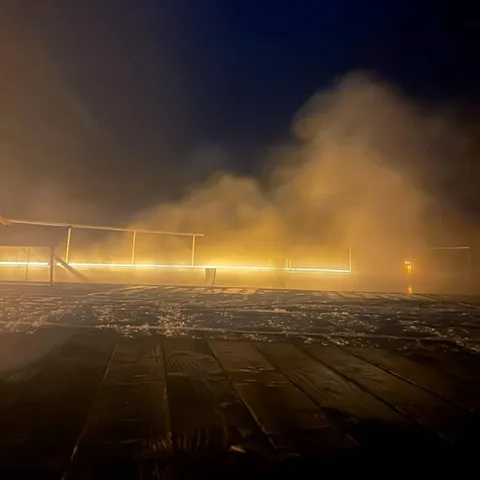
It also helps to have a wet day alternative in mind. Vök Baths, the geothermal baths entry, starts from US$61 and takes 1.5 hours, and it is wheelchair accessible with a host or greeter in English or Icelandic.[8] A Studlagil Canyon shore excursion runs five hours and also stops at Gufu Waterfall.[7] Either way, keep the booking flexible, watch the sky, and let the forecast have the last word.
How long you are out in the weather
Durations in hours as listed on each GetYourGuide tour page.[1][7][8][9]
From-prices for a wet or a dry plan
From-prices in US dollars as listed on each GetYourGuide tour page, for the date you choose.[1][7][8][9]
When the season and the weather line up
Before you set off
Read the day's forecast
Check the day you sail rather than the week. In July a typical Seydisfjordur day runs from 51°F (11°C) to 43°F (6°C).[5]
Dress for wind first
Rain gear matters, but wind decides how the day feels. A shell, a warm layer, gloves and grippy shoes beat an umbrella on the headland and at the falls.
Know your arrival point
The Norrona ferry, run by Smyril Line, docks in the small town of Seydisfjordur, and the port tours leave from the same harbour.[1][6]
Check the puffin window
Puffins nest at Hafnarholmi from the middle of April to the beginning of August, the window to keep in mind.[4]
Leave room to change plans
Free cancellation up to 24 hours in advance and reserve now, pay later are both offered.[1]
See live start times for the Puffin & Gufufoss tour from the port
from US$230Reserve now & pay later